
Archive
-
27 July 2022
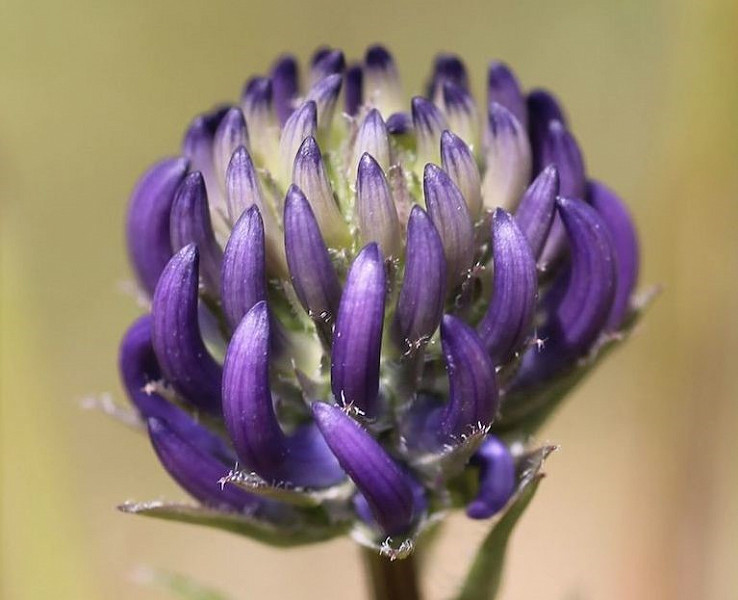
Wildlife seen in July at Levin Down nature reserve
Volunteer Reserve Manager Rob Eadie tells us about the interesting wildlife he’s seen in July at Levin Down nature reserve
-
23 July 2022
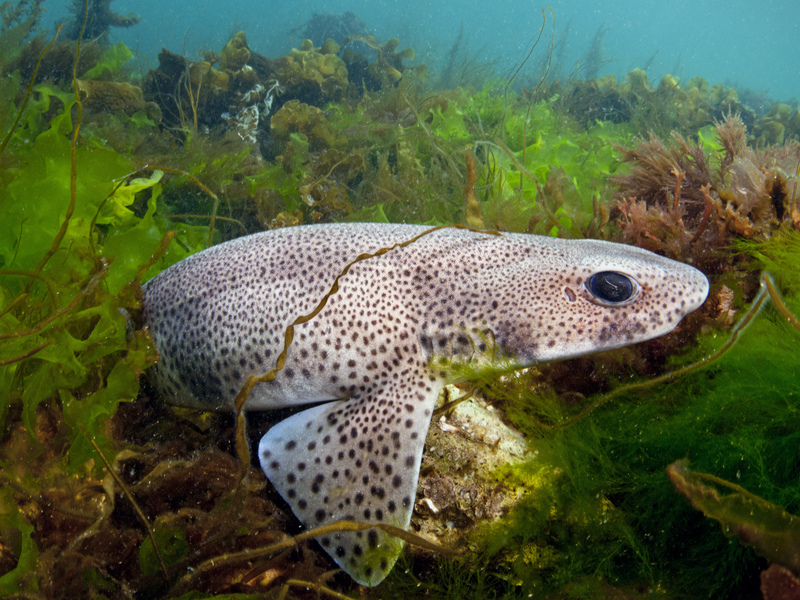
A sea full of superheroes
Forget Aquaman! Read on for the real superheroes in our seas…
-
21 July 2022
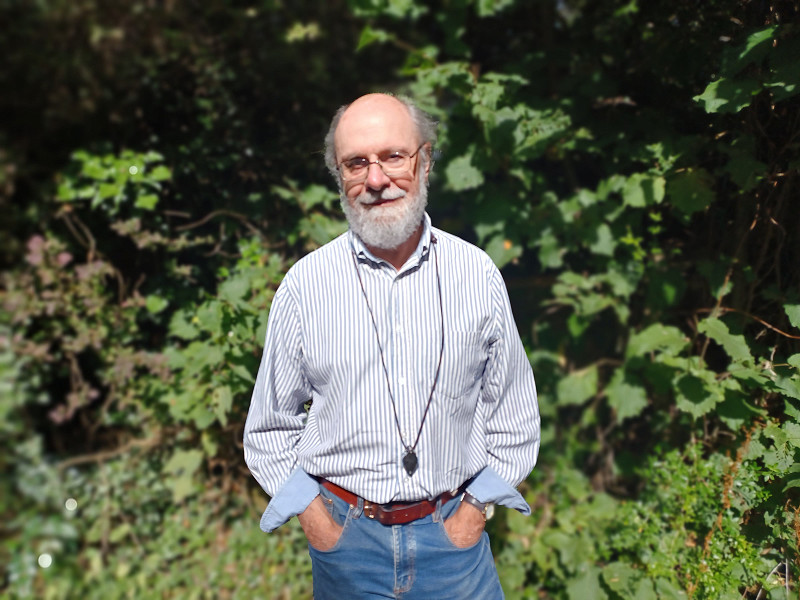
Interview with Nick Sturt, Chair of the Sussex Botanical Recording Society
We meet Nick Sturt, Sussex Wildlife Trust member since we began and Chair of the Sussex Botanical Recording Society
-
20 July 2022
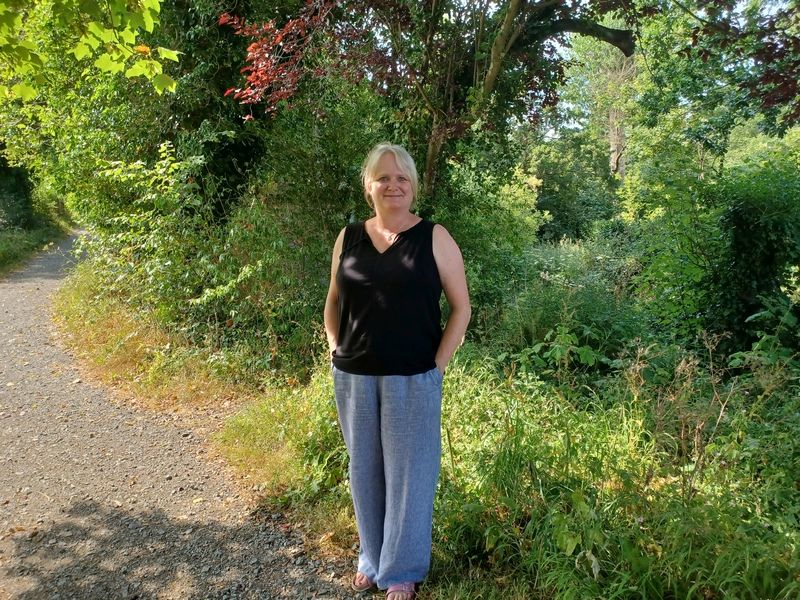
Interview with Polly Kitson, Volunteer Manager
We speak to Polly Kitson, Volunteer Manager
-
19 July 2022
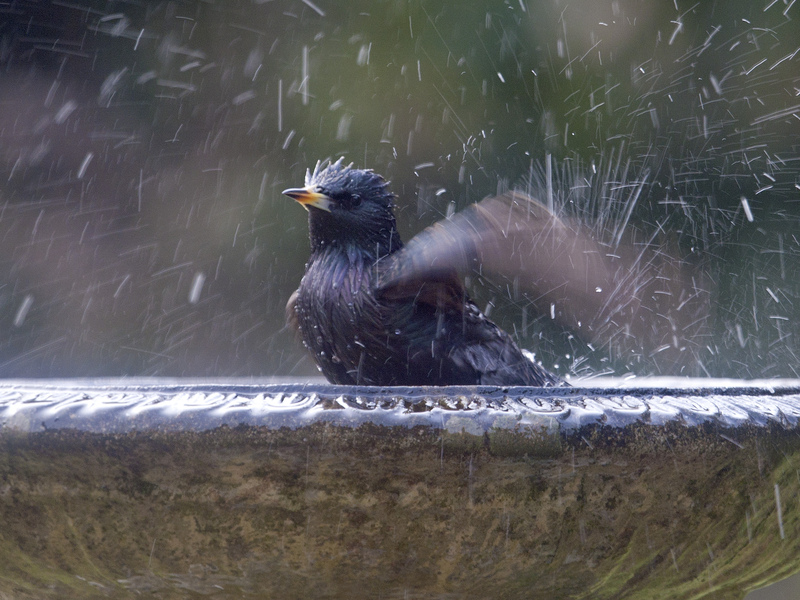
How you are helping wildlife
We recently asked you what actions you’d taken to help wildlife in your local area. Hundreds of you replied and it was amazing to see all of the fantastic things you’ve been doing to help wildlife near you.
-
18 July 2022
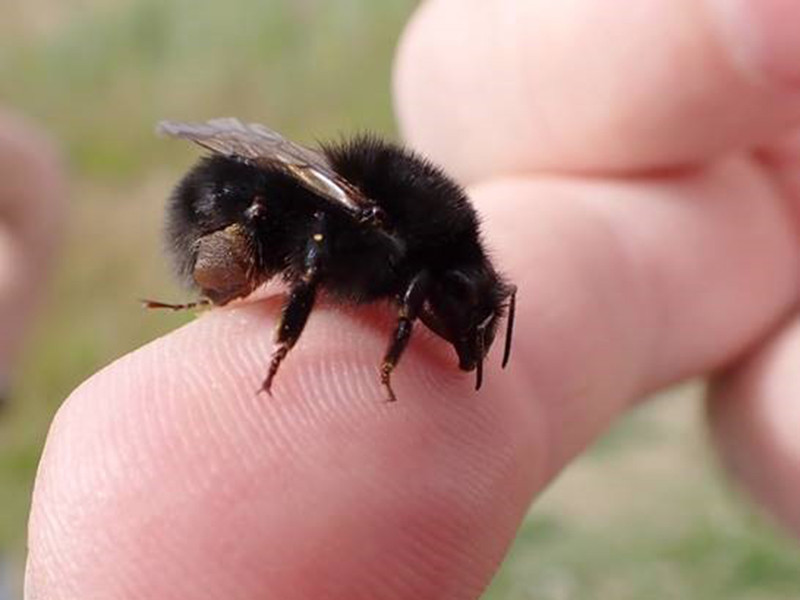
Going on a bee hunt at Rye Harbour Nature Reserve
Sussex Wildlife Trust volunteers and Friends members Morgan and Peter Greenhalf have been involved in identifying and recording bumblebees for over a decade. They now lead Bumblebees Identification days and ‘bee-safari’ walks.
-

17 July 2022
Wild Wanders Summer Bushcamp
Join us in Tilgate Park (16-19 August 2022) for four days of outdoor activities, perfect for any budding young ecologist or wildlife enthusiast.
-

14 July 2022
Sussex Site Shortlisted as Proposed Highly Protected Marine Area
Sussex Wildlife Trust is delighted to welcome the news that a site in Sussex offshore waters, Dolphin Head, has been included in Defra’s consultation on Highly Protected Marine Areas (HPMAs).
-

13 July 2022
Photo competition returns
Our 2022 photo competition is now open for entries and this year’s theme is Sussex Seasons
-
13 July 2022
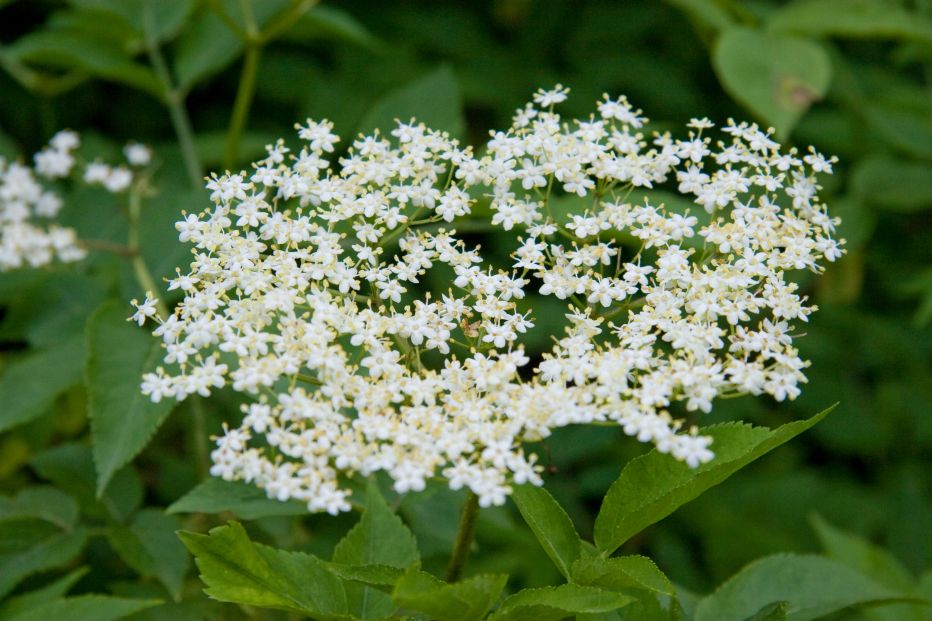
Become a Tree Detective
Identifying trees can be a challenge for those new to wildlife watching and gardening but this is because they are a challenging group of plants to identify. Paul Ritchie tells us more.
-
12 July 2022
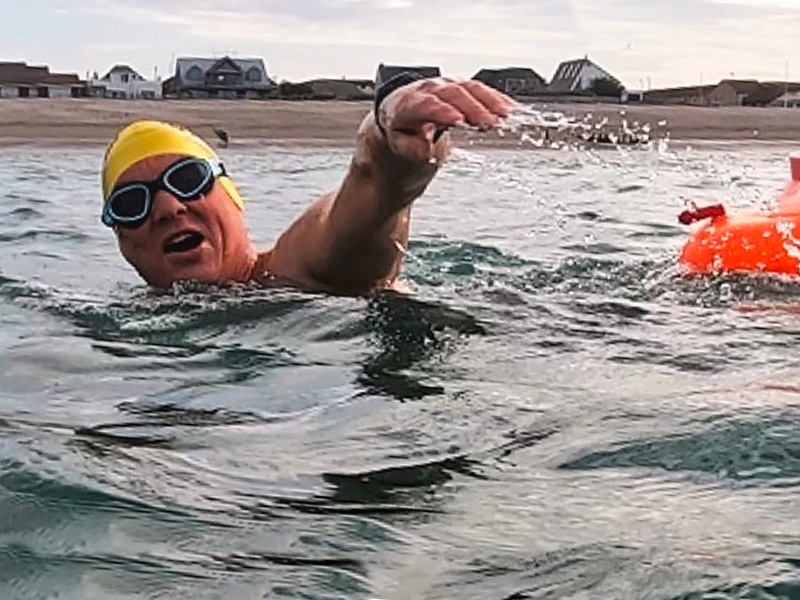
Channel Swim for wildlife
Paul Bruce is training hard for a Channel solo swim to help raise £5000 for marine conservation work in Sussex
-
11 July 2022
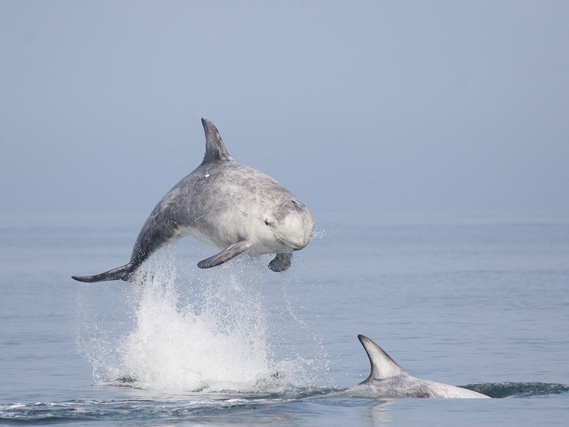
Local site shortlisted as proposed Highly Protected Marine Area
Sussex Wildlife Trust is delighted to hear suggested sites are progressing to the next stage of the HPMA designation process