
News
-
08 September 2022
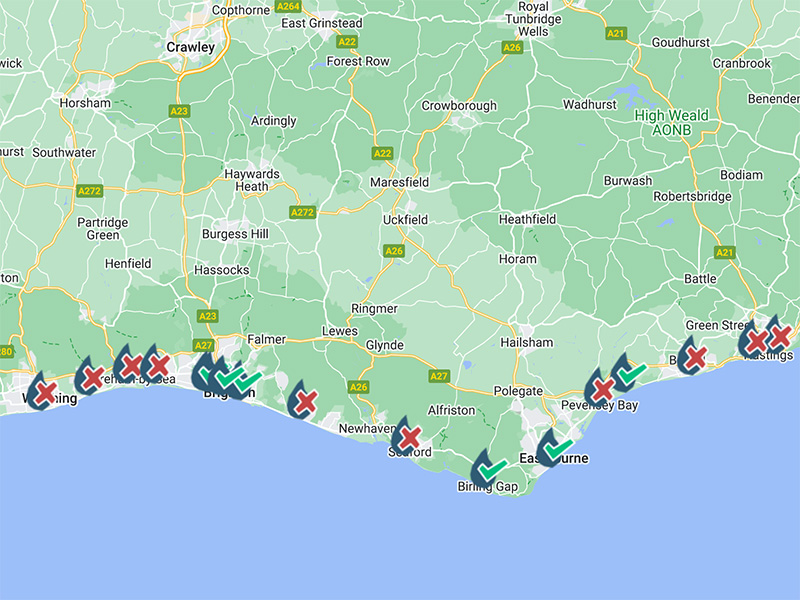
Swimming in Sewage
The countless powerful images on social media of outfalls pumping into our coastal waters, following the recent widespread dumping of raw sewage has rightly been met with outrage. Sussex Wildlife Trust is horrified by the unacceptable damage being done to our precious freshwater and marine wildlife, and angry that yet again environmental standards are being allowed to slip.
-

07 September 2022
We meet Chris Corrigan - Interim CEO
Interim CEO Chris Corrigan tells us a bit about himself and his lifetime passion for wildlife.
-
06 September 2022
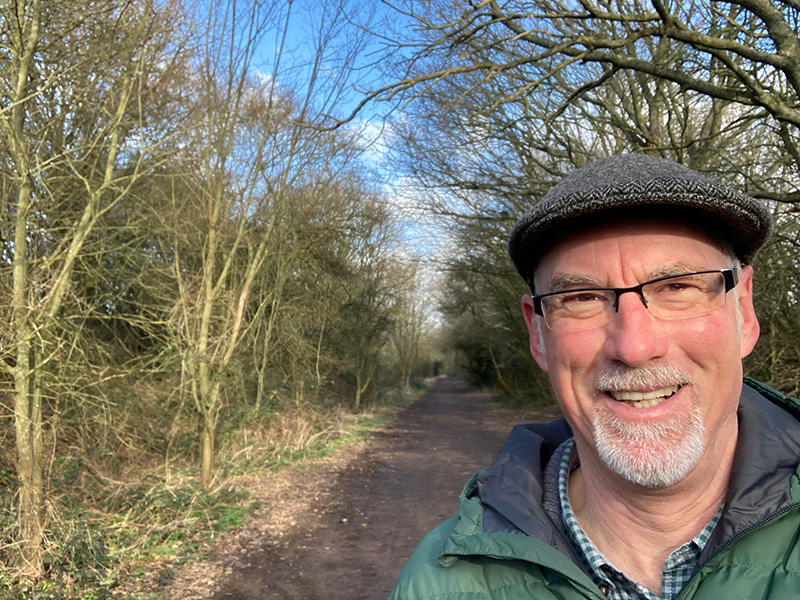
Why I’ll be leaving a legacy gift to Sussex Wildlife Trust
“Help nature and it will help us, in so many ways.”
-
06 September 2022
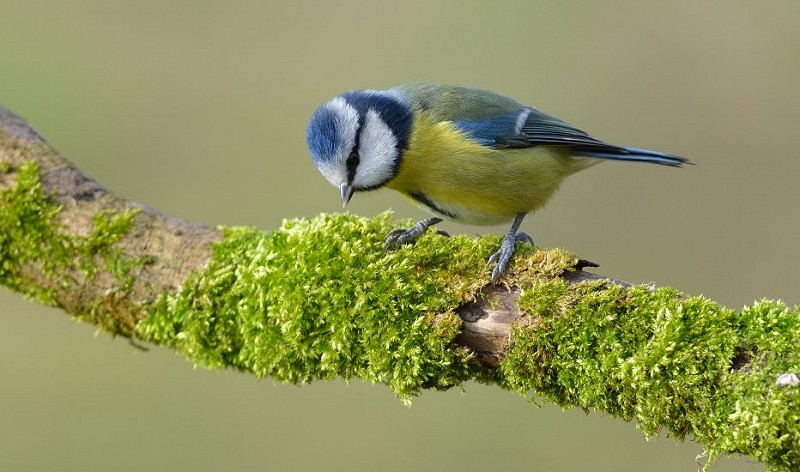
Types of learning in nature
Charlotte Owen looks into the different ways that wildlife learns
-
05 September 2022
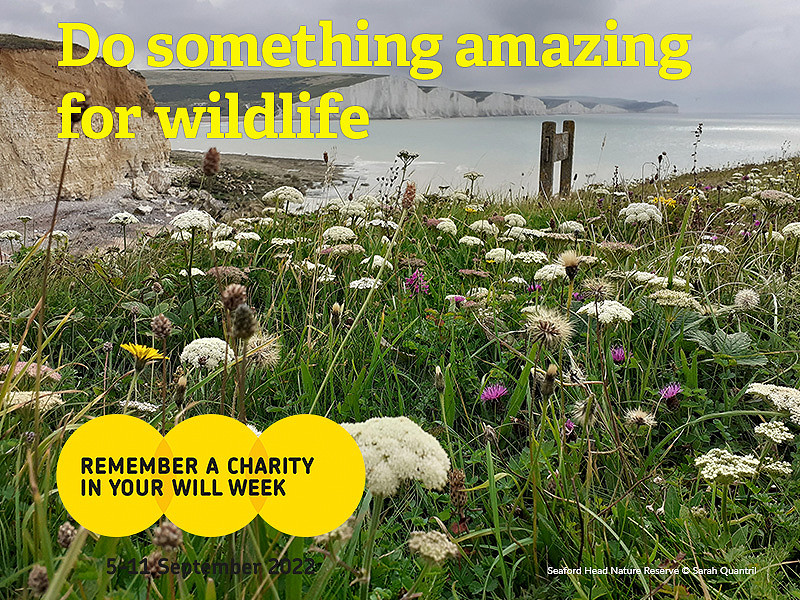
Remember Sussex Wildlife Trust in your will
Do something amazing for wildlife
-

05 September 2022
Clever corvids
Charlotte Owens tells us about how clever crows are
-

05 September 2022
August update from the Lederman Trainees
Rosie and Mark our Lederman Trainees tell us what they’ve been getting up to.
-
04 September 2022
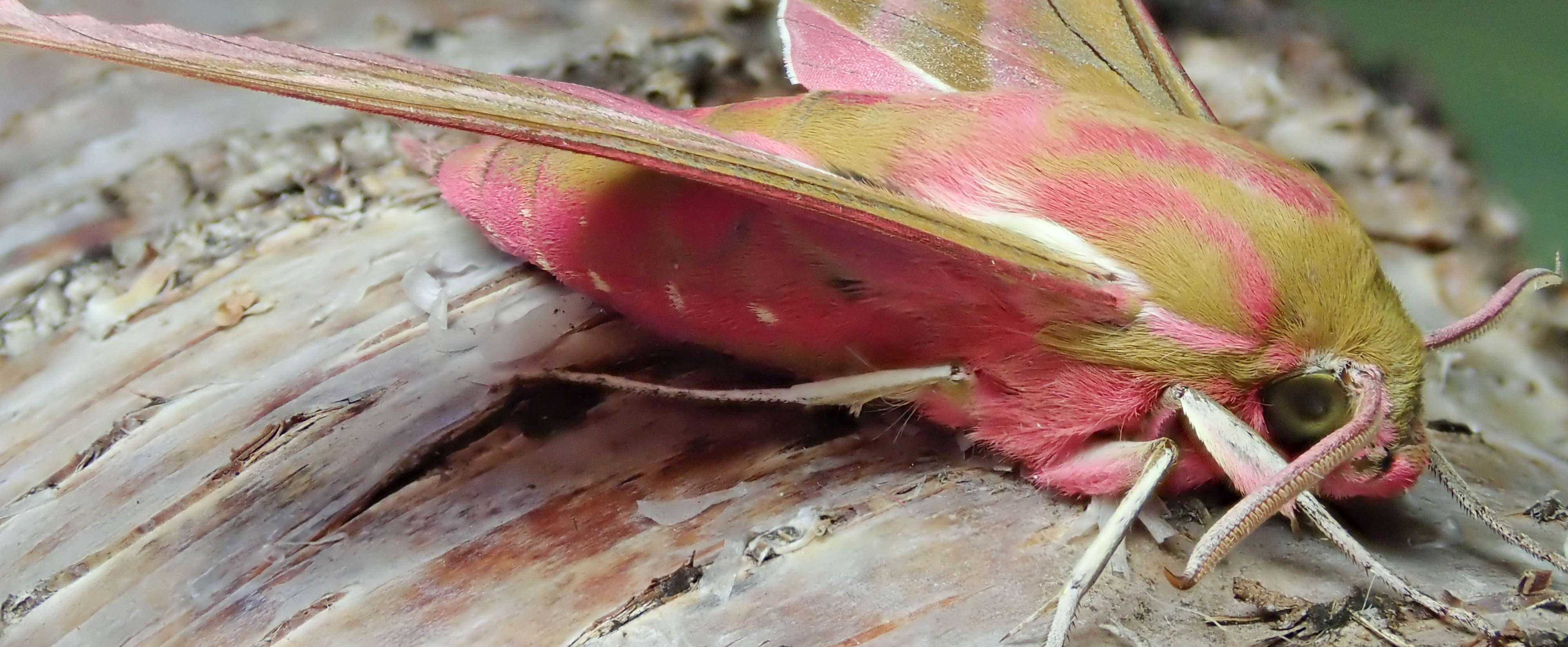
Rye Harbour Bioblitz 2022
Sorry, this event has been cancelled, apologies for any inconvenience
-
02 September 2022
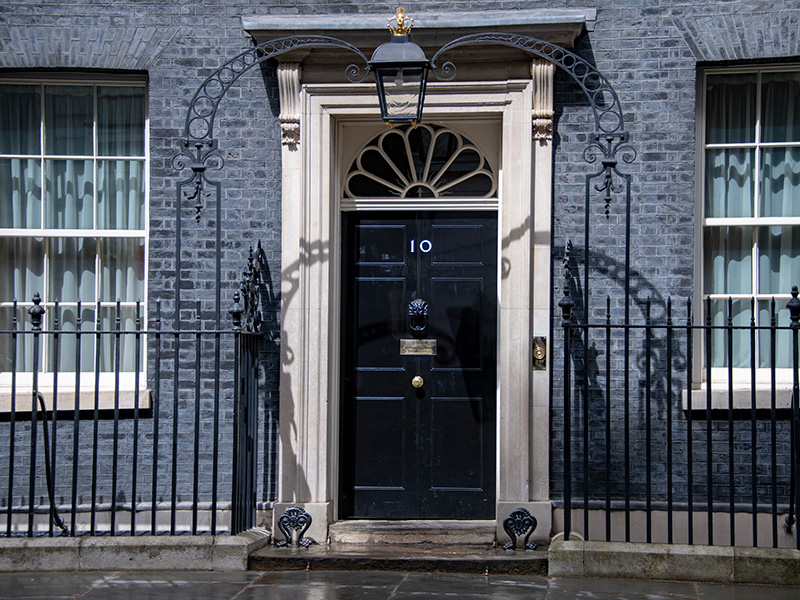
Challenging times
On Monday we will have a new Prime Minister. With so many major current and future challenges, there’s no doubt that whoever gets the job will have to hit the ground running.
Around Sussex
-
02 May 2017
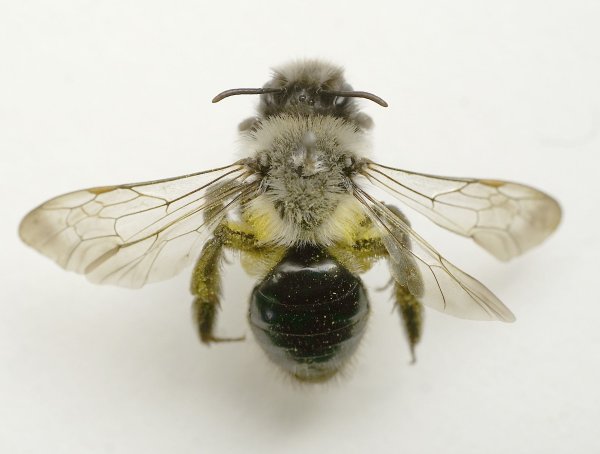
April 2017 - Rye Harbour Nature Reserve Sightings
Wildlife highlight during April was the discovery of a small colony of grey-backed mining bee (Andrena vaga) at Castle Water by local photographer and bee enthusiast Peter Greenhalf on 3rd April.
-
30 March 2017
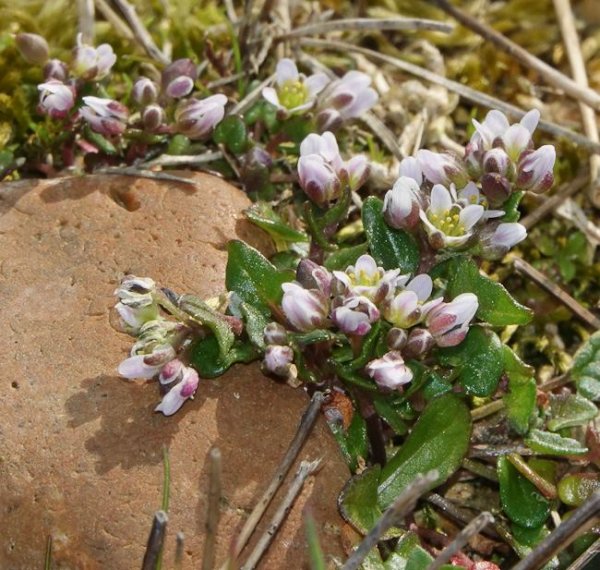
March 2017 - Rye Harbour Nature Reserve Sightings
One sure sign of spring on the reserve is the appearance of the tiny mauve flowers of Danish scurvy grass. This member of the cabbage family is traditionally a coastal plant in the UK, though in the last 50 years it has increasingly colonised roadside verges where its ability to
-
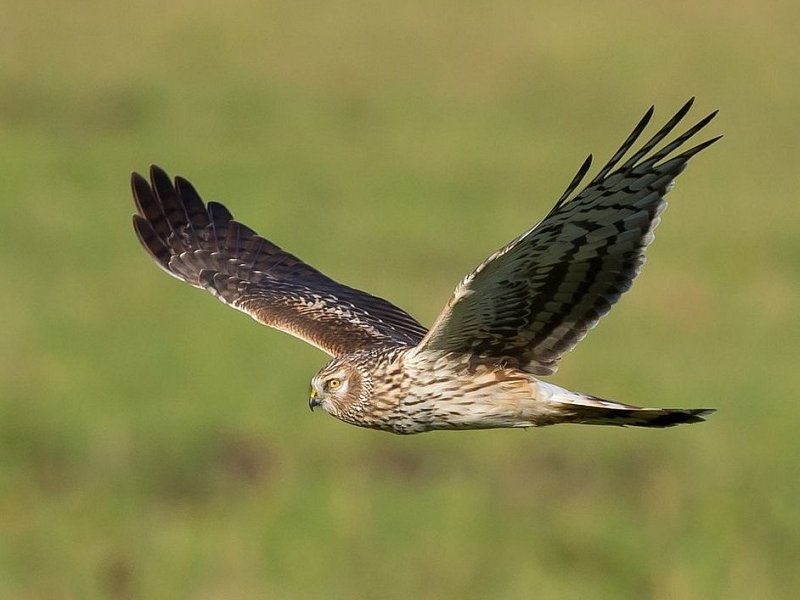
28 February 2017
February 2017: Rye Harbour Nature Reserve Sightings
One of the bird highlights during February was a hen harrier which was seen at Castle Water on the 3rd. This species is a mainly winter visitor to the reserve, the summer being spent in its upland breeding habitat.