
Archive
-
02 August 2016
July 2016: Rye Harbour Nature Reserve Sightings
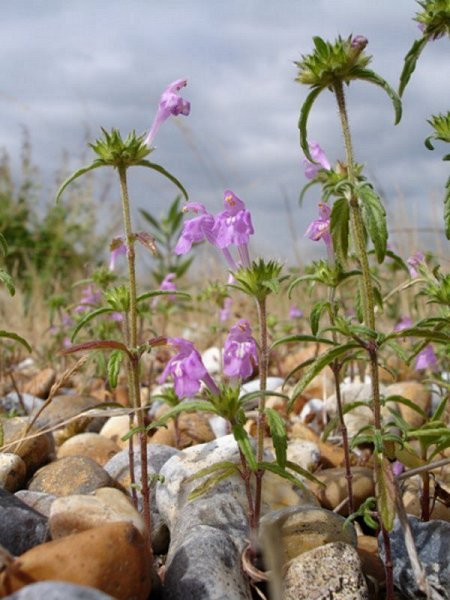
One of the characteristic plants of Rye Harbour at this time of the year is red hemp-nettle. This inconspicuous little relative of the mints and dead-nettles, with its red flowers and nettle-like leaves, grows on sparsely vegetated habitats on the Beach Reserve and Harbour Farm, often where the ground has been disturbed.
-
27 July 2016
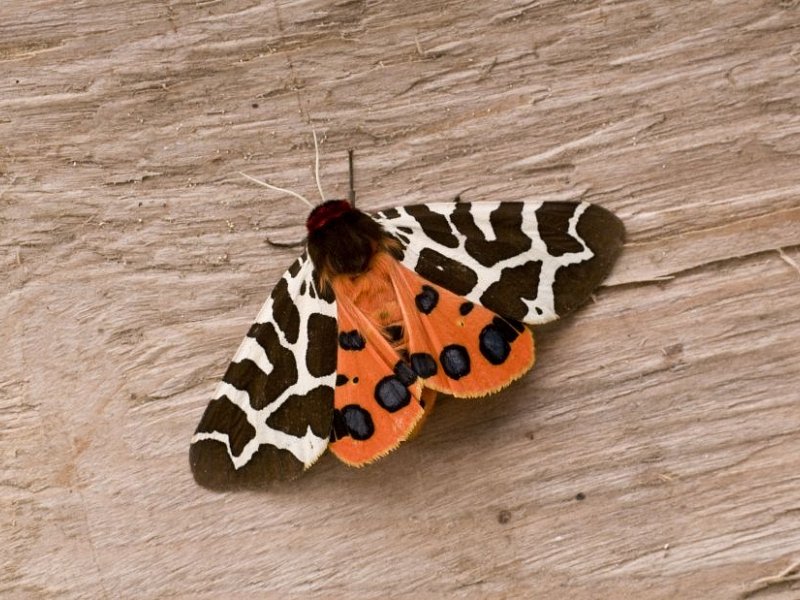
Wildlife courses and walks in August 2016
Michael Blencowe looks forward to the Sussex Wildlife Trust’s wildlife courses, walks and talks in August
-
25 July 2016
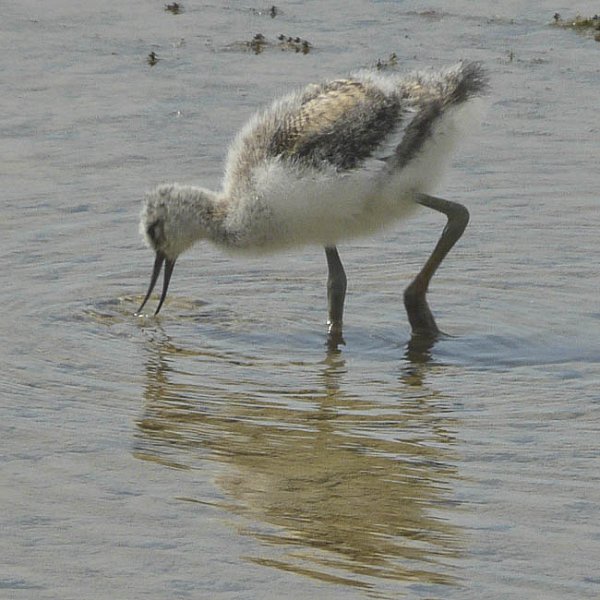
Breeding Charadriiformes at Rye Harbour
Gulls, terns, skuas, waders and auks make up a large order of mostly wetland birds…
-
25 July 2016
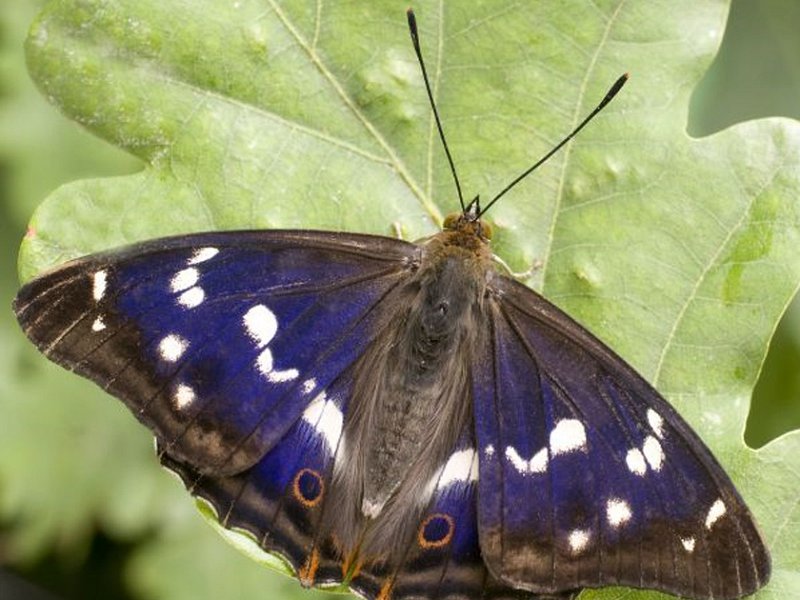
Return of the Emperor
The purple emperor is a magnificently majestic butterfly
-

22 July 2016
Guided walks at Seaford Head
Recent walks at Seaford Head.
-
19 July 2016
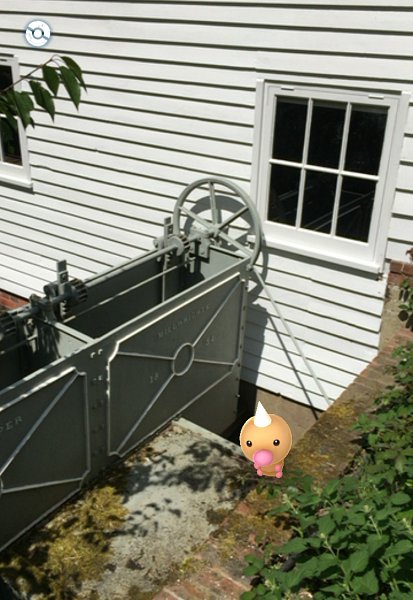
Pokémon spotted at Woods Mill
Just in time for the start of the summer holidays, Sussex Wildlife Trust’s Woods Mill nature reserve has had its first sightings of Pokémon.
-
18 July 2016
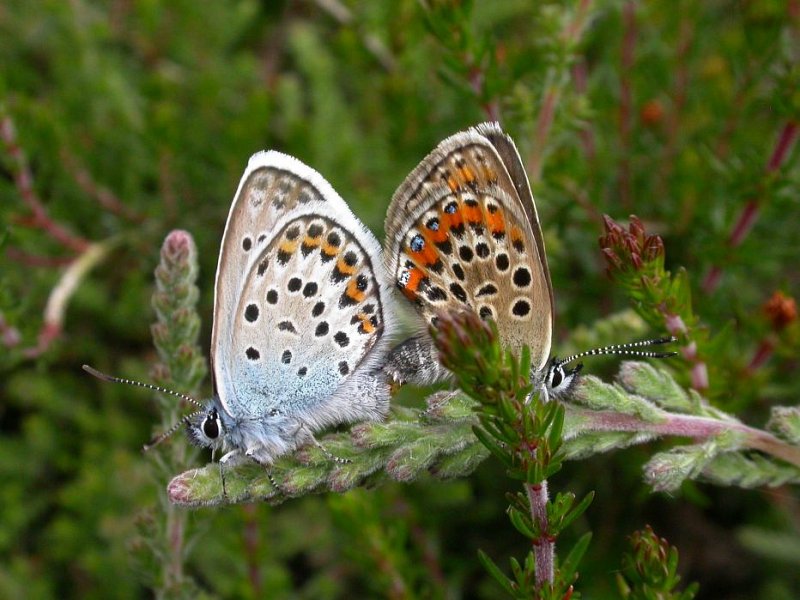
Grazing Iping Common
The Trust has secured permission from the Planning Inspectorate to fence Iping Common.
-
18 July 2016
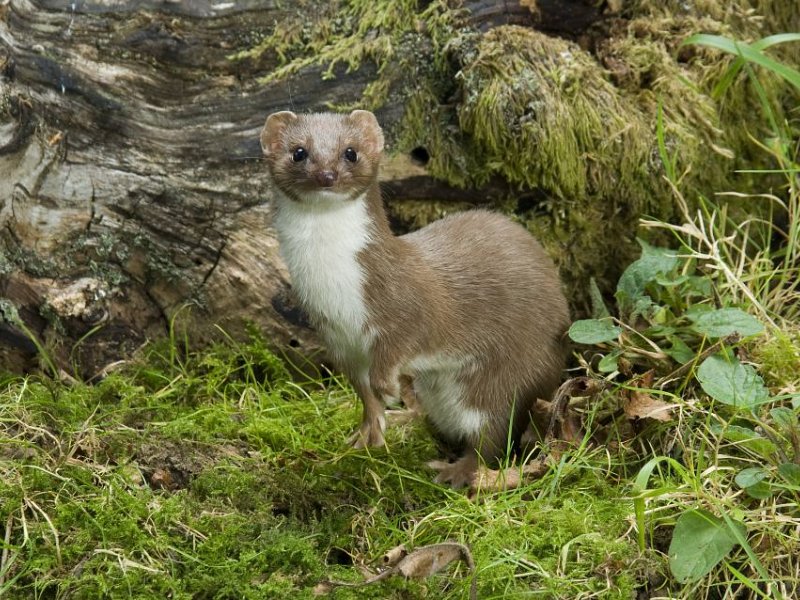
Slim Jim on the lookout for lunch
Weasel is the smallest carnivore found in Europe.
-
14 July 2016
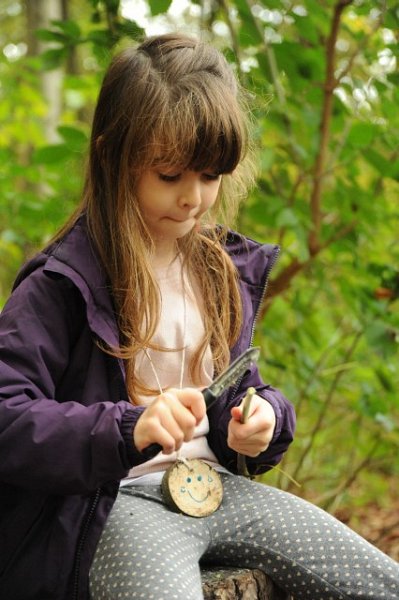
'Wild Woodies' Summer Holiday Clubs in Henfield
There’s magic in the air at Woods Mill nature reserve, Henfield this August.Places are available at Wild Woodies clubs on Tuesday 9th and 16th August from 9am – 4pm.
-
12 July 2016
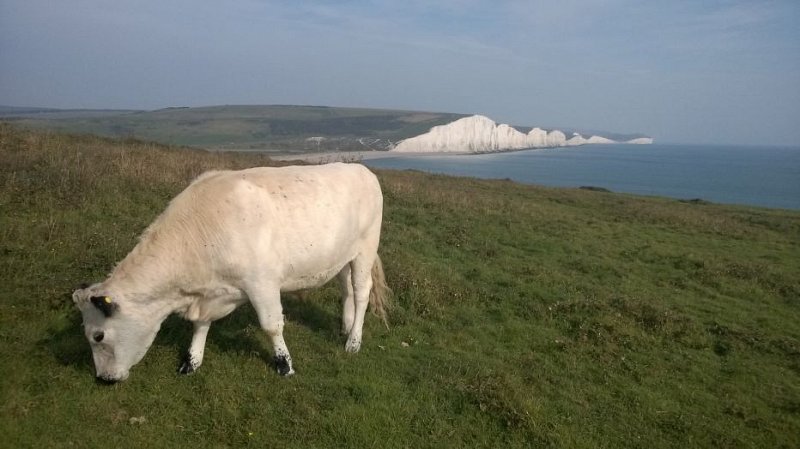
How can we make Brexit work for Sussex wildlife?
Whatever your view on Britain’s position in Europe, we live in a changing world and it is clear that there is now a huge task to make sure that nature conservation is given proper consideration.
-
12 July 2016
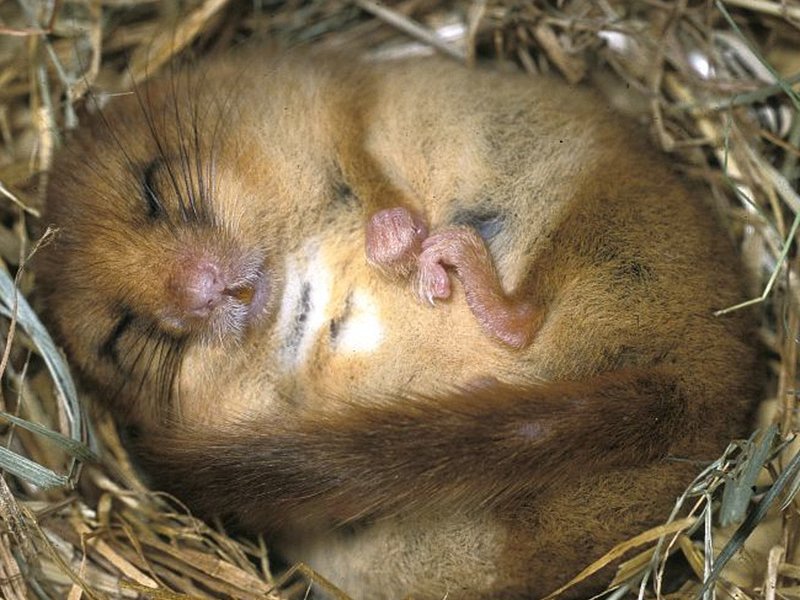
The last dormouse in Sussex?
Sussex Wildlife Trust is making an urgent appeal to its members and supporters to help protect dormice living in the county.
-
11 July 2016
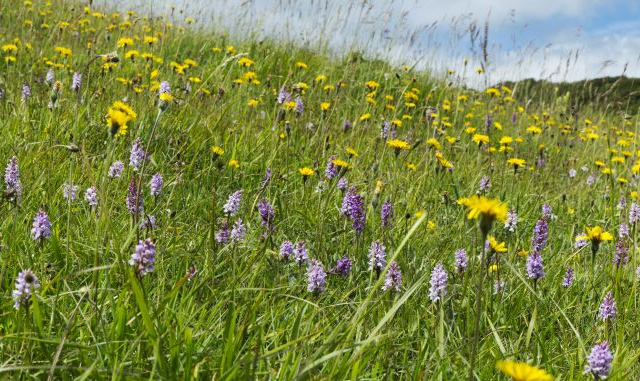
The sights, scents and sounds of summer
July is a good time to look out for a colourful display of poppies, ragged robin or cornflowers, and the abundance of insect life they support.