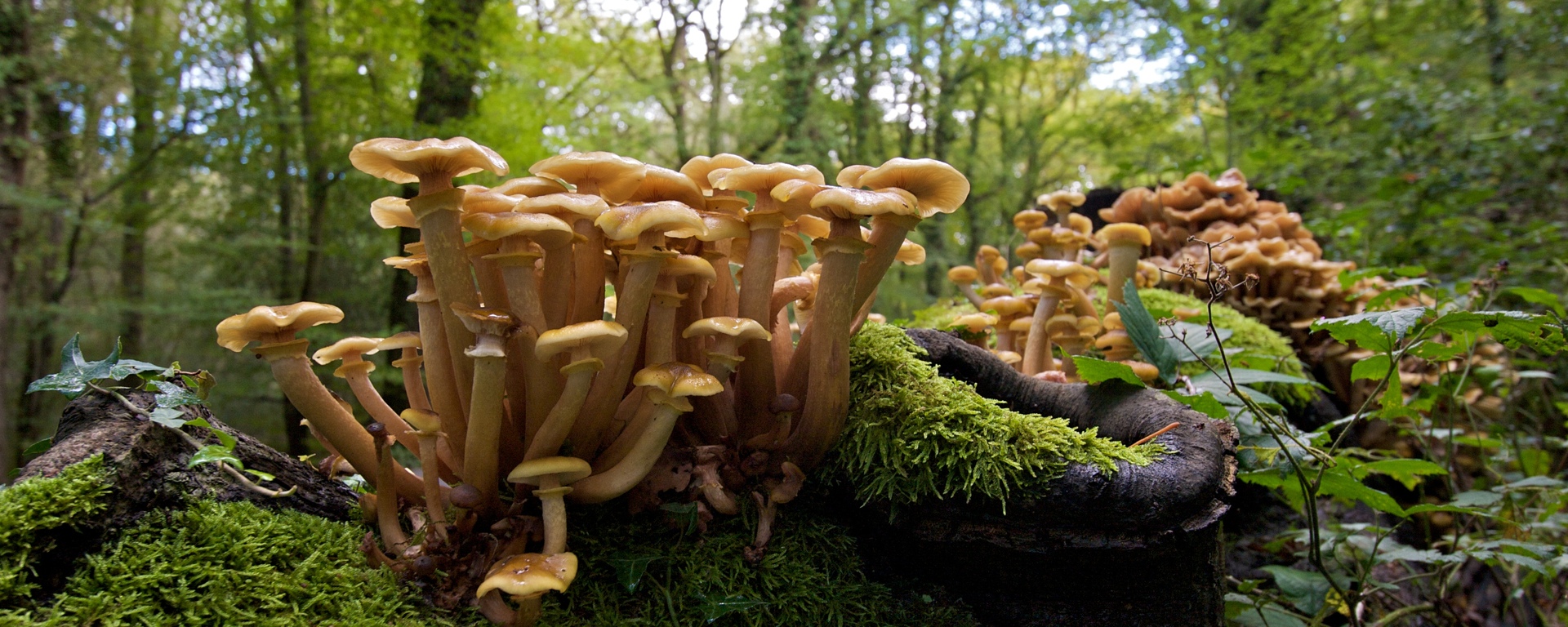
Restoring Natural Processes

To help combat the twin emergencies of climate and biodiversity decline, we urgently need to restore more naturally functioning, connected and resilient landscapes. One of the best ways that we can do this is to help nature take care of itself by restoring ‘Natural Processes’.

Historically, wildlife conservation has focused on how humans can ‘manage’ nature. We now recognise that once natural processes have been restored, many landscapes only need occasional human intervention to help them sustain natural diversity and abundance. This page will help you to understand :-

  • How we can all help to restore Natural Processes
  • What Natural Processes are
  • Why Natural Processes are important
  • Which processes are the easiest or the most appropriate for us to restore
  • How we can mimic natural processes if we can’t restore them

Humans are massive ecosystem engineers. We have the means and the motivation to constantly intervene in the natural world and how it functions. One example of this is our alternation of natural wetlands and hydrological systems through land drainage. Another is our destruction of soils through intensive farming, or the removal of naturally forested landscapes over millennia as humans settled and cultivated the land.

Humans can disturb or destroy Natural Processes, which means we can also take actions to help reverse that damage, and restore the natural functions of the land. In some cases, we cannot restore Natural Processes – but we may be able to Mimic them. For more information see our Mimicking Natural Processes page.

BEFORE YOU START

The natural processes you can help restore on your land will depend on several factors:

  • Existing (Negative) Human Interventions. What are they? And how reversible or removable are they? For example, does your land have ditches or land drains that you can block or break to create new seasonal wetlands without negatively impacting on wildlife/other land? Can you remove plastic tree tubes?
  • Knowing which natural processes are missing. So much has been lost that we will be learning and remembering this for millennia. Start with the easier, smaller scale ones, and more complex natural process restoration can follow. (See natural processes below).
  • What are the limits of acceptable change? For example, when you re-wet your land, dry land trees may die which others might find unacceptable. Or allowing naturally regenerating scrub on species rich grassland would not usually be a good choice.
  • Patience. Sometimes we have to wait for conditions to change, to allow us to do things that were previously not possible i.e. new laws passed allowing change to be legally supported.
  • Timescales. Some things take minutes to restore, others, like soils can take millennia. You might not be able to work with neighbours now, but in 5 or 10 years time you might. Woodlands take centuries to grow, so think in their timescales not yours.
  • Seasonality. Some things are best done at specific times of the year.
  • Accessibility. How accessible is the land? Upland, lowland, wetland; for people / livestock / wildlife etc.
  • People. Not everyone will understand or accept change. Work with your local community when you can to help them recognise and respond to change positively.
  • Scale. A pine marten needs a habitat network that’s around 50km², so if you have a small land holding, you need to collaborate with neighbours across thousands of acres of land.
  • Legality. For example, releasing species or digging wetlands often requires a licence.
  • Actuality. Whether all or part of your natural process still exists, is no longer in existence, or is impossible to restore (for example, peat re-formation may no longer be possible)
  • Ambition. Many natural processes need large scale, connected landscapes to restore. If you have a small piece of land, you may only be able to mimic natural processes or alter your management. This is still a positive move towards enabling more ‘natural’ nature.
  • Resources. Financial, carbon, wildlife, time etc. e.g. Will removing fences allow naturalistic grazing which stores more carbon in the long run and removes the financial and carbon footprint of replacing fencing?

What are Natural Processes?

Natural Processes are many and varied, but some of the key ones are :-

  1. Energy flows & nutrient cycles i.e. food webs & photosynthesis
  2. Pollination – by bees and a myriad of other insects
  3. Decomposition & soil formation – by fungi, wasps, deadwood beetles, earthworms etc.
  4. Weather, climate, microclimate – ice, drought, gale, humidity, frost, fire, snow
  5. The water cycle i.e. Restoring natural water flows
  6. Erosion and deposition – such as rivers reconnected to their floodplain
  7. Natural disturbances – fire, flood, volcano, storm
  8. Herbivory / Predation / Animal activity & Movement i.e. naturalistic grazing or pig rootling, or restoring ecosystem engineers such as beavers.
  9. Plant / insect / animal interactions – dispersal, parasites, birth, death etc.
  10. Succession / canopy gaps – and whether these are made by animals, windthrow, disease etc.

For more information see Introducing Natural Processes and Restoring Natural Processes

WHAT WOULD NATURE DO?

If you want to restore wilder nature, there are two questions to ask yourself :-

  1. why are you doing what you’re doing? And
  2. what would nature do?

Coppicing - an example

Many people coppice trees because ‘they have always been coppiced’. But are you coppicing to create bio-fuel? To create more diverse habitat structure for butterflies? Or to mimic beaver coppicing? Each of these would entail a different approach to coppice/woodland management.

A fossil fuel-driven chainsaw might be the easiest way to coppice a tree, and you might feel that you’re contributing to restoring nature, but there are more natural ways to coppice and promote the natural breakdown of wood such as cutting a tree with a hand axe, or a beaver! Our native tree species all evolved to withstand being ‘coppiced’ by beavers (and other animals), which is why they can tolerate the kind of management that humans currently do with bill hooks and chainsaws.

The restoration of natural processes to a coppice woodland would involve re-introducing browsing animals, restoring beavers at a landscape scale, and leaving wind blown trees to naturally coppice themselves rather than clearing them up.

OUR RESPONSE TO NATURAL PROCESSES

How you respond to natural disturbances is important – such as the ones we witness daily, in the news and at home.

Windblown trees

The felling of trees by a storm for example, starts processes of habitat structure diversification, deadwood production, gap and glade formation, natural coppicing, seasonal pond creation and more. If you remove fallen trees and deadwood, then the subsequent natural processes, beneficial to wildlife, are stopped before they’ve started. Leaving deadwood is a key action in helping to restore natural processes, but our ‘tidiness’ or desire for firewood often prevents us from leaving it.

Rootling by pigs

Rootling or poaching by animals, such as pigs or a wild boar, is a natural process. These natural actions help to restore undulations in ploughed or flattened land (or micro-topography), create seasonal pools, and disturb ancient seed banks. However the absence of wild boar for so long means that we are used to huge carpets of bluebells in our woods. Wild boar would change this landscape, and we would need to embrace change and ​‘messiness’ if we want to help nature to do its thing.

ALLOWING EMERGENT PROPERTIES

There are winners and losers in wild nature. Life on planet Earth ebbs and flows, and is often unpredictable. Accepting change (within acceptable limits), being patient, and seeing nature through a long-term lens is vital to restoring natural processes. Also crucial, is the acceptance of the principle of emergent properties.

Emergent properties are what happen when we Trust nature, and learn that we cannot control or predict all the outcomes of restoring natural processes. If we restore the right processes in the right places, we can be confident that the net outcomes will be positive for creating abundant and diverse natural landscapes. Learning from the losses, and celebrating the wins when something unexpected emerges, is part of the process.

COMPROMISE

Not all of us have 3,000 acres to rewild. Some of us may not even have a garden. You may need to compromise or accept that current conditions don’t allow a natural process to be restored. It’s unlikely you’ll be able to leave dead animal carcasses in the countryside to undergo natural breakdown processes for the foreseeable future. So adapt your ambitions to be ​‘as natural as possible’ within your current constraints.

Another example is that aurochs are extinct and heck cattle may not be possible to reintroduce due to safety concerns. However, you may be able to introduce wilder livestock management principles. This might reduce fencing and enable cows to graze natural trees and hedgerow, and forage in woodland pasture. It could involve reducing chemicals such as ivermectins and antibiotics and encouraging animals to self medicate. You could use wilder native livestock breeds suitable for the location, allow mixed age and sex herds and social groupings of animals, and, for example, retain the horns on your animals rather than cutting them off.

Encouraging as much natural diversity as possible on your land will help restore natural processes.

NATURALISTIC GRAZING

Mixed grazing, within the capacity of the land, is a key natural process that can boost diversity and climate resilience. The grazing, browsing, rubbing, dunging and trampling of different animal species helps create a diverse habitat mosaic.

Different grazing species have very different eating styles. Flocks of geese crop floodplain meadows short, sheep nibble grass to the equivalent of a man’s number one haircut, cattle tear with their tongue, red deer stand on their hind legs and strip the leaves from higher branches, and pigs even forage in water. The animals you have on your land, and how you mimic or restore different natural animal processes, will contribute to the diversity of wildlife.

The things that animals eat also impacts natural processes. Dunging, the natural process of nutrient cycling through an animals’ body, is a natural process itself. The dunging of millions of species across the world plays a vital role in soil creation and the basis for life. Feeding animals chemicals, such as Ivermectins and antibiotics, will interfere with this natural process. Chemicals can wreak havoc on the breakdown of nutrients, soil formation and more. To restore the natural process, and rejuvenate healthy soils, one of the most important things we can do is to use fewer chemicals.

GETTING STARTED

There’s much you can do to help natural processes recover and re-establish. Here are a few ideas :

  • Avoid the use of chemicals, antibiotics, ivermectins and fertilisers
  • Encourage the natural regeneration of scrub and woodlands, instead of tree planting with plastic tubes
  • Leave deadwood in woodlands and where it falls
  • Re-connect rivers to their floodplain
  • Restore rivers to their natural, meandering course
  • Restore peatlands so they can work to absorb carbon and filter water
  • Reduce grazing pressure
  • Add mixed grazing and mimic more natural grazing patterns by mob grazing, or allowing animals to wander freely in mixed habitats such as pasture woodland
  • Consider introducing missing keystone species on to your land in collaboration with others i.e. beavers
  • Make woodlands wilder with Trees, woodland and rewilding

Simple actions can have a big impact. The key is being open to change and learning as you go, and being patient. Nature is dynamic and unpredictable, powerful and wonderful. Keep a keen eye on what’s happening and be bold when you can.

Time Δ Debug Message - Perch Runway 3.2
1783468945.89020 [906] SELECT p.pagePath, pr.routePattern, pr.routeRegExp, p.pageTemplate, pr.routeOrder, s.settingValue AS siteOffline FROM swt_pages_staging p LEFT JOIN swt_page_routes pr ON p.pageID=pr.pageID LEFT JOIN swt_settings s ON s.settingID='siteOffline' UNION SELECT NULL AS pagePath, pr2.routePattern, pr2.routeRegExp, pr2.templatePath AS pageTemplate, pr2.routeOrder, NULL AS siteOffline FROM swt_page_routes pr2 WHERE templateID!=0 ORDER BY routeOrder ASC, pagePath ASC
1783468945.92910.0389Matched page: /natures-recovery/on-land/wilder-landscapes/wilding-and-natural-processes/restoring-natural-processes, so not using routes.
1783468945.92920.0001Server address: 216.73.217.142
1783468945.92920Using master page: /templates/pages/default.php
1783468945.92950.0003 [1] SELECT * FROM swt_pages_staging WHERE pagePath='/natures-recovery/on-land/wilder-landscapes/wilding-and-natural-processes/restoring-natural-processes' LIMIT 1
1783468945.93140.0019 [86] SELECT DISTINCT settingID, settingValue FROM swt_settings WHERE userID=0
1783468945.93330.0018 [1] SELECT locationID FROM swt_shop_tax_locations WHERE locationIsHome=1 LIMIT 1
1783468945.93380.0005INSERT INTO swt_shop_cart(memberID,locationID,currencyID,cartPricing,cartProperties) VALUES(NULL,'1',47,'standard','[]')
1783468945.93560.0018 [1] SELECT * FROM swt_shop_cart WHERE cartID=22757394
1783468945.93610.0005 [1] SELECT * FROM swt_shop_cart WHERE cartID=22757394
1783468945.93660.0006 [nil] SELECT * FROM swt_shop_sales WHERE saleFrom<='2026-07-08 00:02:00' AND saleTo>'2026-07-08 00:02:00' AND saleActive=1 AND saleDeleted IS NULL ORDER BY saleOrder ASC
1783468945.93770.0011 [2] SELECT regionKey, regionHTML FROM swt_content_regions WHERE regionPage='/natures-recovery/on-land/wilder-landscapes/wilding-and-natural-processes/restoring-natural-processes' OR regionPage='*' ORDER BY regionPage DESC
1783468945.93870.001 [1] SELECT pageID, pageParentID, pageDepth, pageTreePosition FROM swt_pages_staging WHERE pagePath='/natures-recovery/on-land/wilder-landscapes/wilding-and-natural-processes/restoring-natural-processes' OR pageSortPath='/natures-recovery/on-land/wilder-landscapes/wilding-and-natural-processes/restoring-natural-processes' LIMIT 1
1783468945.94030.0016 [1] SELECT * FROM swt_pages_staging WHERE pageID=1912 LIMIT 1
1783468945.9410.0006 [250] SELECT country, countryID FROM swt_shop_countries WHERE countryActive=1 ORDER BY country ASC
1783468945.94230.0013Using template: /templates/pages/attributes/seo.html
1783468945.94270.0004 [1] SELECT regionID, regionTemplate, regionPage, regionRev AS rev FROM swt_content_regions WHERE regionKey='Banner image' AND (regionPage='/natures-recovery/on-land/wilder-landscapes/wilding-and-natural-processes/restoring-natural-processes' OR regionPage='*')
1783468945.94340.0007 [1] SELECT * FROM ( SELECT idx.itemID, c.regionID, idx.pageID, c.itemJSON, idx2.indexValue as sortval FROM swt_content_index idx JOIN swt_content_items c ON idx.itemID=c.itemID AND idx.itemRev=c.itemRev AND idx.regionID=c.regionID JOIN swt_content_index idx2 ON idx.itemID=idx2.itemID AND idx.itemRev=idx2.itemRev AND idx2.indexKey='_order' WHERE ((idx.regionID=2880 AND idx.itemRev=1)) AND idx.itemID=idx2.itemID AND idx.itemRev=idx2.itemRev ) as tbl GROUP BY itemID, pageID, itemJSON, sortval, regionID ORDER BY sortval ASC
1783468945.94480.0014 [82] SELECT * FROM swt_pages_staging WHERE pageNew=0 AND pageHidden=0 AND pageDepth >=0 AND pageDepth<=2 ORDER BY pageTreePosition ASC
1783468945.94820.0033 [1] SELECT pageTreePosition FROM swt_pages_staging WHERE pagePath='/natures-recovery/on-land/wilder-landscapes/wilding-and-natural-processes/restoring-natural-processes' LIMIT 1
1783468945.94970.0015 [6] SELECT pageID FROM swt_pages_staging WHERE pageTreePosition IN ('000-002-002-001-001-002-002', '000-002-002-001-001-002', '000-002-002-001-001', '000-002-002-001', '000-002-002', '000-002', '000') ORDER BY pageTreePosition DESC
1783468945.95160.0019Using template: /templates/navigation/ps_nav_template.html
1783468945.95160 [6] Using template: /templates/navigation/ps_nav_template_children.html
1783468945.95240.0008 [4] Using template: /templates/navigation/ps_nav_template_children.html
1783468945.95280.0004 [29] Using template: /templates/navigation/ps_nav_template_children.html
1783468945.95560.0028 [10] Using template: /templates/navigation/ps_nav_template_children.html
1783468945.95670.0011 [7] Using template: /templates/navigation/ps_nav_template_children.html
1783468945.95750.0007 [9] Using template: /templates/navigation/ps_nav_template_children.html
1783468945.96030.0028 [1] SELECT pageTreePosition FROM swt_pages_staging WHERE pagePath='/natures-recovery/on-land/wilder-landscapes/wilding-and-natural-processes/restoring-natural-processes' OR pageSortPath='/natures-recovery/on-land/wilder-landscapes/wilding-and-natural-processes/restoring-natural-processes' LIMIT 1
1783468945.96240.0021 [6] SELECT * FROM swt_pages_staging WHERE pageHidden=0 AND pageNew=0 AND pageTreePosition IN ('000-002-002-001-001-002-002', '000-002-002-001-001-002', '000-002-002-001-001', '000-002-002-001', '000-002-002', '000-002', '000') ORDER BY pageTreePosition
1783468945.96490.0025 [6] Using template: /templates/navigation/breadcrumbs.html
1783468945.96580.001 [1] SELECT regionID, regionTemplate, regionPage, regionRev AS rev FROM swt_content_regions WHERE regionKey='Body Content' AND (regionPage='/natures-recovery/on-land/wilder-landscapes/wilding-and-natural-processes/restoring-natural-processes' OR regionPage='*')
1783468945.96670.0008 [1] SELECT * FROM ( SELECT idx.itemID, c.regionID, idx.pageID, c.itemJSON, idx2.indexValue as sortval FROM swt_content_index idx JOIN swt_content_items c ON idx.itemID=c.itemID AND idx.itemRev=c.itemRev AND idx.regionID=c.regionID JOIN swt_content_index idx2 ON idx.itemID=idx2.itemID AND idx.itemRev=idx2.itemRev AND idx2.indexKey='_order' WHERE ((idx.regionID=2881 AND idx.itemRev=2)) AND idx.itemID=idx2.itemID AND idx.itemRev=idx2.itemRev ) as tbl GROUP BY itemID, pageID, itemJSON, sortval, regionID ORDER BY sortval ASC
1783468945.96910.0025 [1] Using template: /templates/content/mixed_content.html
1783468945.96930.0002Using sub-template: /templates/content/text_block.html
1783468945.96930Using sub-template: /templates/content/thumbnails.html
1783468945.96940Using sub-template: /templates/content/image.html
1783468945.96940Using sub-template: /templates/content/gallery.html
1783468945.96950Using sub-template: /templates/content/video.html
1783468945.96950Using sub-template: /templates/content/ask_inline.html
1783468945.96950Using sub-template: /templates/content/legacy_request_form.html
1783468945.96960Using sub-template: /templates/content/image.html
1783468945.96960Using sub-template: /templates/content/code_block.html
1783468945.96970.0001Using sub-template: /templates/content/customisable_donate_form.html
1783468945.96970Using sub-template: /templates/content/contact_form.html
1783468945.96990.0002Using sub-template: /templates/forms/details.html
1783468945.970.0001Using sub-template: /templates/forms/_data_protection.html
1783468945.970.0001Using sub-template: /templates/forms/_personal_details.html
1783468945.97010.0001Using sub-template: /templates/forms/_address.html
1783468945.97010Using sub-template: /templates/forms/_personal_details.html
1783468945.97020Using sub-template: /templates/forms/_address.html
1783468945.97020Using sub-template: /templates/forms/_data_protection.html
1783468945.97030Using sub-template: /templates/forms/_personal_details.html
1783468945.97040.0001 [1] Using sub-template: /templates/forms/_data_protection.html
1783468945.97210.0017Using template: /templates/pages/attributes/default.html
1783468945.97220.0001Using sub-template: /templates/pages/attributes/seo.html
1783468945.97230.0001Using template: /templates/pages/attributes/default.html
1783468945.97230Using sub-template: /templates/pages/attributes/seo.html
1783468945.97240.0001 [1] SELECT pageID, pageParentID, pageDepth, pageTreePosition FROM swt_pages_staging WHERE pagePath='/what-we-do' OR pageSortPath='/what-we-do' LIMIT 1
1783468945.97330.0008 [1] SELECT pageID, pageParentID, pageDepth, pageTreePosition FROM swt_pages_staging WHERE pageTreePosition='000-002' LIMIT 1
1783468945.97390.0007 [7] SELECT * FROM swt_pages_staging WHERE pageNew=0 AND pageHidden=0 AND pageTreePosition LIKE '000-002%' AND pageDepth >=1 AND pageDepth<=2 ORDER BY pageTreePosition ASC
1783468945.97590.0019 [1] SELECT pageTreePosition FROM swt_pages_staging WHERE pagePath='/natures-recovery/on-land/wilder-landscapes/wilding-and-natural-processes/restoring-natural-processes' LIMIT 1
1783468945.97730.0014 [6] SELECT pageID FROM swt_pages_staging WHERE pageTreePosition IN ('000-002-002-001-001-002-002', '000-002-002-001-001-002', '000-002-002-001-001', '000-002-002-001', '000-002-002', '000-002', '000') ORDER BY pageTreePosition DESC
1783468945.97910.0018 [6] Using template: /templates/navigation/footer-nav.html
1783468945.97980.0007 [1] SELECT pageID, pageParentID, pageDepth, pageTreePosition FROM swt_pages_staging WHERE pagePath='/make-a-difference' OR pageSortPath='/make-a-difference' LIMIT 1
1783468945.98040.0006 [1] SELECT pageID, pageParentID, pageDepth, pageTreePosition FROM swt_pages_staging WHERE pageTreePosition='000-005' LIMIT 1
1783468945.98090.0005 [38] SELECT * FROM swt_pages_staging WHERE pageNew=0 AND pageHidden=0 AND pageTreePosition LIKE '000-005%' ORDER BY pageTreePosition ASC
1783468945.9830.0022 [1] SELECT pageTreePosition FROM swt_pages_staging WHERE pagePath='/natures-recovery/on-land/wilder-landscapes/wilding-and-natural-processes/restoring-natural-processes' LIMIT 1
1783468945.98450.0014 [6] SELECT pageID FROM swt_pages_staging WHERE pageTreePosition IN ('000-002-002-001-001-002-002', '000-002-002-001-001-002', '000-002-002-001-001', '000-002-002-001', '000-002-002', '000-002', '000') ORDER BY pageTreePosition DESC
1783468945.98660.0022 [10] Using template: /templates/navigation/footer-nav.html
1783468945.99060.004 [1] SELECT pageID, pageParentID, pageDepth, pageTreePosition FROM swt_pages_staging WHERE pagePath='/visit' OR pageSortPath='/visit' LIMIT 1
1783468945.99150.0009 [1] SELECT pageID, pageParentID, pageDepth, pageTreePosition FROM swt_pages_staging WHERE pageTreePosition='000-004' LIMIT 1
1783468945.99210.0006 [30] SELECT * FROM swt_pages_staging WHERE pageNew=0 AND pageHidden=0 AND pageTreePosition LIKE '000-004%' AND pageDepth >=1 AND pageDepth<=2 ORDER BY pageTreePosition ASC
1783468945.99450.0023 [1] SELECT pageTreePosition FROM swt_pages_staging WHERE pagePath='/natures-recovery/on-land/wilder-landscapes/wilding-and-natural-processes/restoring-natural-processes' LIMIT 1
1783468945.99620.0017 [6] SELECT pageID FROM swt_pages_staging WHERE pageTreePosition IN ('000-002-002-001-001-002-002', '000-002-002-001-001-002', '000-002-002-001-001', '000-002-002-001', '000-002-002', '000-002', '000') ORDER BY pageTreePosition DESC
1783468945.99880.0026 [29] Using template: /templates/navigation/footer-nav.html
1783468946.00140.0026 [1] SELECT pageID, pageParentID, pageDepth, pageTreePosition FROM swt_pages_staging WHERE pagePath='/make-a-difference' OR pageSortPath='/make-a-difference' LIMIT 1
1783468946.00260.0012 [1] SELECT pageID, pageParentID, pageDepth, pageTreePosition FROM swt_pages_staging WHERE pageTreePosition='000-005' LIMIT 1
1783468946.00370.0011 [11] SELECT * FROM swt_pages_staging WHERE pageNew=0 AND pageHidden=0 AND pageTreePosition LIKE '000-005%' AND pageDepth >=1 AND pageDepth<=2 ORDER BY pageTreePosition ASC
1783468946.0060.0023 [1] SELECT pageTreePosition FROM swt_pages_staging WHERE pagePath='/natures-recovery/on-land/wilder-landscapes/wilding-and-natural-processes/restoring-natural-processes' LIMIT 1
1783468946.00750.0015 [6] SELECT pageID FROM swt_pages_staging WHERE pageTreePosition IN ('000-002-002-001-001-002-002', '000-002-002-001-001-002', '000-002-002-001-001', '000-002-002-001', '000-002-002', '000-002', '000') ORDER BY pageTreePosition DESC
1783468946.00950.0019 [10] Using template: /templates/navigation/footer-nav.html
1783468946.01080.0013Request time: 0.122
1783468946.01080Process time: 0.1218
1783468946.01080Memory: 1.6225