
News
-

19 December 2023
Experiencing nature differently: ADHD
WildCall Officer Andy Fry talks about ADHD, focusing on how he experiences nature, how it helps his symptoms and mental health, and how having ADHD has helped him pursue a career in this field.
-
18 December 2023
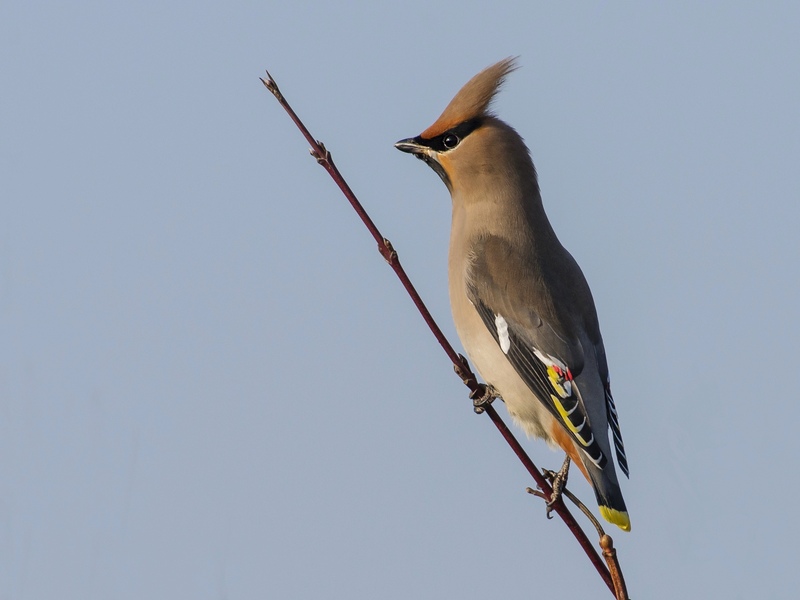
Waxwing Winter
Discover the bird that’s a favourite amongst birdwatchers, despite the fact that most rarely see one.
-

12 December 2023
Meet our staff: Alice Oakley
Meet Alice Oakley, who joins us this month as Volunteer Coordinator at Rye Harbour Nature Reserve. Find out a little more about her.
-

10 December 2023
The Deneway's Wild Future has begun!
Communities Intern Mya Bambrick tells us about the exciting new youth-led nature reserve initiative for 16–25 year olds based at our gated reserve in Brighton: the Deneway
-

08 December 2023
Inspiring the next generation
Communities Intern, Mya Bambrick, shares her passion of getting young people inspired by nature.
-

07 December 2023
Maintaining St John sub Castro churchyard for wildlife
St John sub Castro church yard in Lewes has been transformed to support wildlife
-

06 December 2023
Eggs, caterpillars and chrysalises
Butterfly Conservation tell us about a few of their favourite moths and what happens to them over winter.
-

06 December 2023
Nature recovery at a time of crisis
Viviane Doussy of the Storrington and Arun Valley Sussex Wildlife Trust Regional Group tells us about a Friday evening in the local village hall discussing nature’s recovery
-
05 December 2023
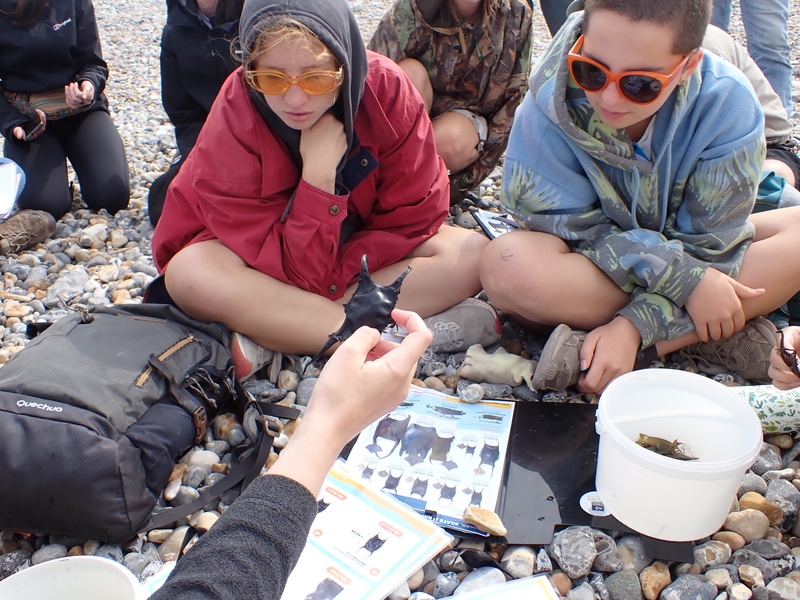
Ocean Symposium 2023
Ella Garrud writes about the great success of the 2023 Ocean Symposium
Around Sussex
-
15 April 2020
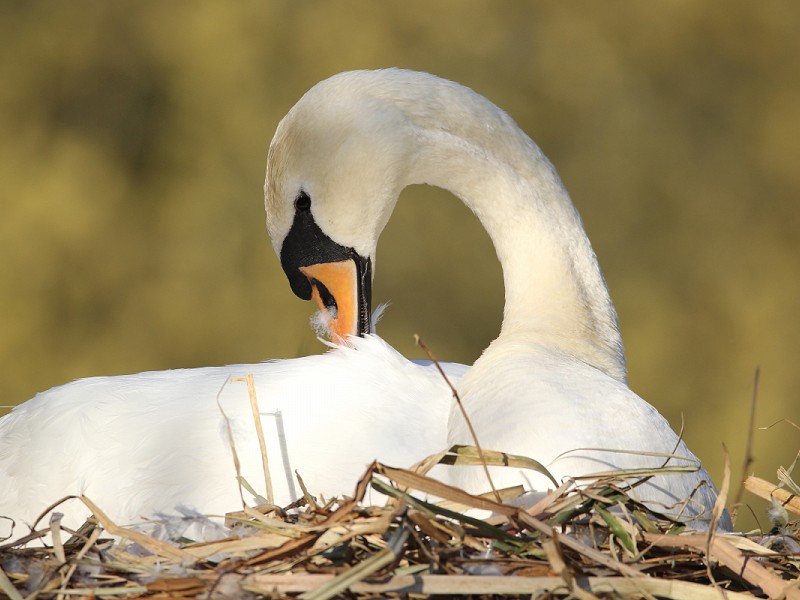
Species of the day: Mute Swan
The Mute Swan is both one of the UK and world’s largest and heaviest birds. It’s also far and away the biggest bird you’re likely to see within a short distance from your house
-
15 April 2020
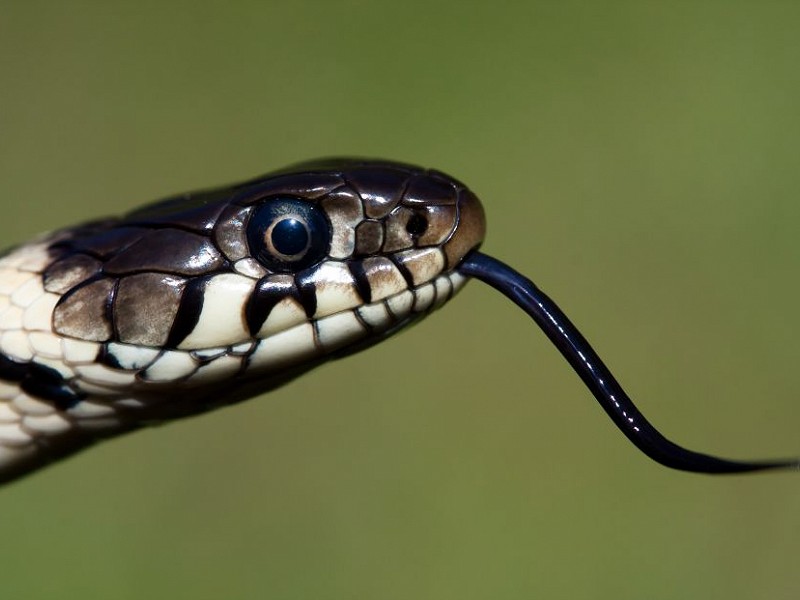
Corona Wildlife Diary: Day Twenty-nine
Where snakes in the grass are absolutely free.
-

14 April 2020
Species of the day: Wood Mouse
Despite being one of the UK’s most widespread mammals, the Wood Mouse lives a secretive life. There’s thought to be approximately two thirds the number in Britain than there are humans.