
News
-
20 July 2026
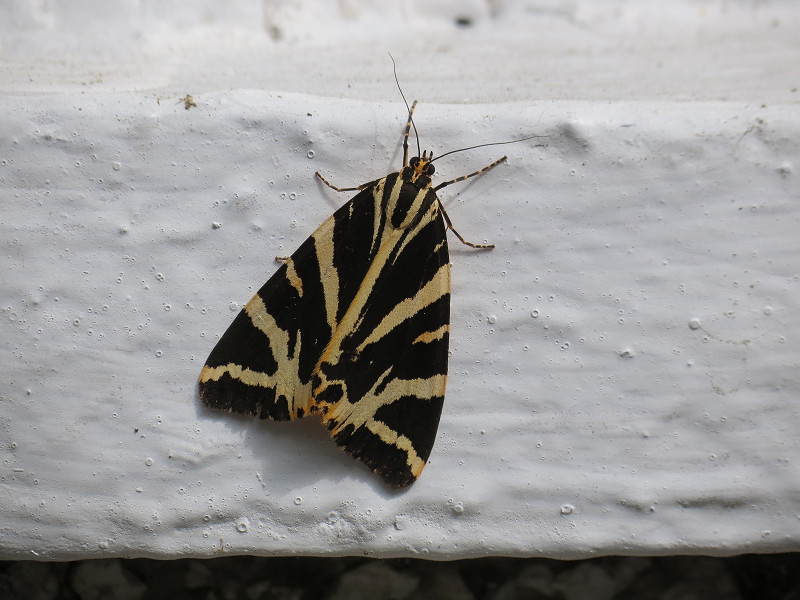
Jersey Tigers: sign of the times
Until just a few years ago, Jersey Tiger moths were scarce and localised in the UK. Now this striking day-flyer is being seen across Sussex, and far beyond.
-

17 July 2026
Sundews - Sussex heathland carnivores
This eater of insects can be found on Sussex heathlands - but look carefully, as despite being prolific predators, these plants are only centimetres tall.
-

16 July 2026
BioBlitz events 2026 for Volunteers Week
In the first week of June we held a number of National Volunteers’ Week BioBlitz thank you events.
-

16 July 2026
New roles at Sussex Wildlife Trust
With new projects launching, we’re looking for talented new members to join the team in a range of roles. Do you know someone looking for the first step, or their next step, into restoring nature in Sussex?
-

16 July 2026
Ghost ponds & butterfly transects - interning with the Sussex Biodiversity Record Centre
Arden Follington shares his experience of being a intern with the Sussex Biodiversity Records Centre
-

15 July 2026
How We're Managing Water Levels at Rye Harbour Nature Reserve
Managing water levels at Rye Harbour Nature Reserve is a constant balancing act. Find out how the challenges the team have faced to keep water levels right for wildlife.
-
15 July 2026
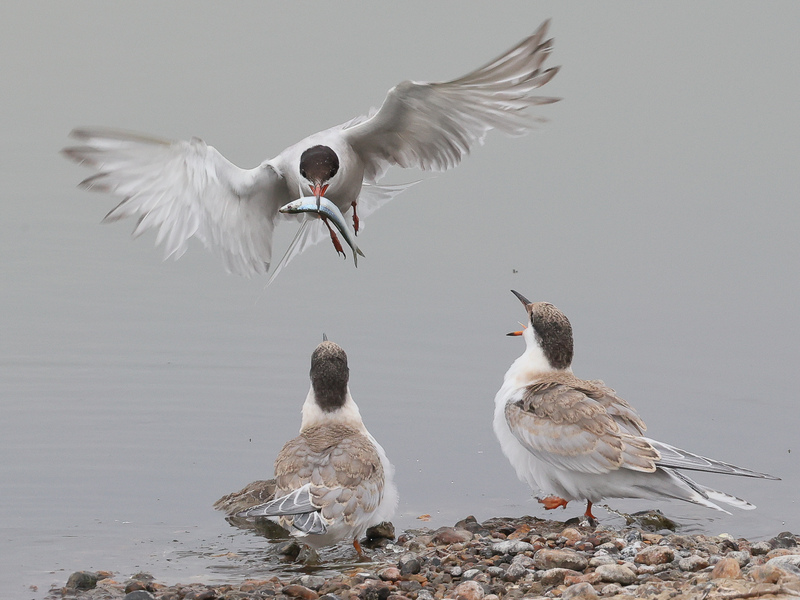
Celebrating National Marine Week at Rye Harbour Nature Reserve
James Duncan shares some of the incredible journeys made by the wildlife at Rye Harbour Nature Reserve.
-

15 July 2026
Discovering bats and so much more at The Deneway as part of my Masters
Emma McCarthy is studying Applied Ecology. She’s been using our urban nature reserve, The Deneway, as part of her Masters.
-
15 July 2026
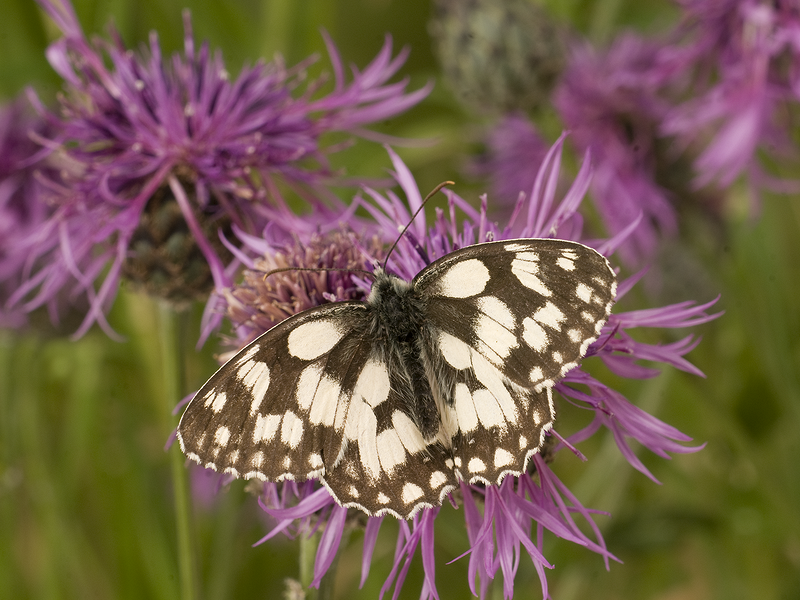
What's that black and white butterfly?
Many species of butterflies are on the wing in July, including our smart monochrome species. Charlotte Owen takes a closer look.
Around Sussex
-
03 November 2025
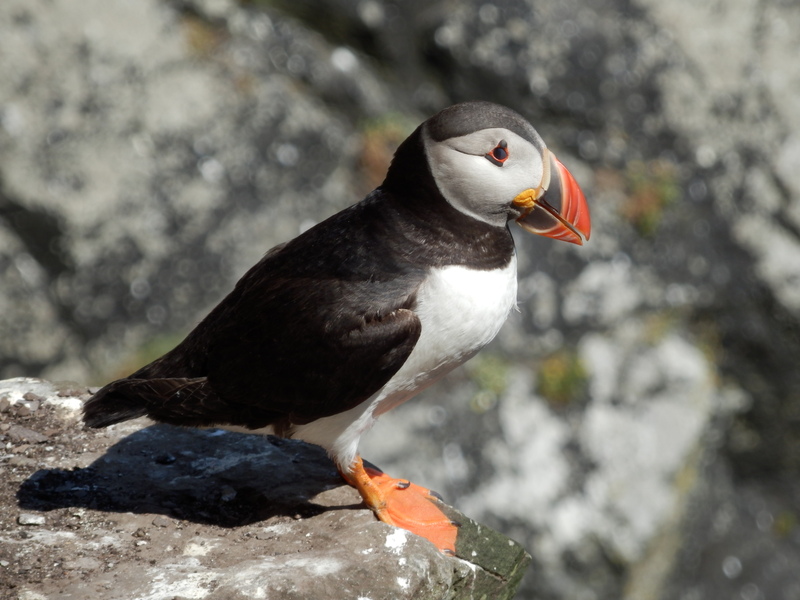
Eastbourne Group Talk and Walk October 2025
Puffins and funky fungi - find out more about the Eastbourne Group Talk and Walk October 2025
-
08 October 2025
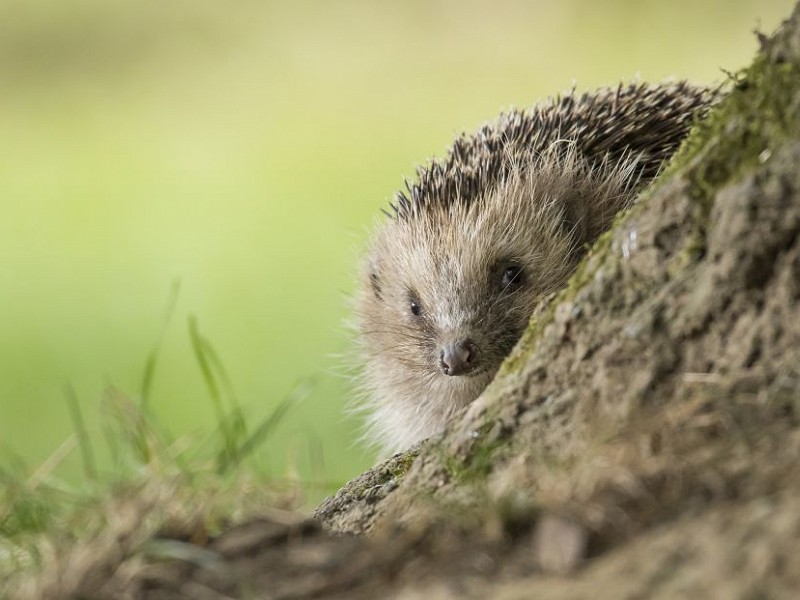
Species of the day: Hedgehog
Roaming the countryside far and wide, the much-loved Hedgehog was once considered an exceedingly numerous species, one we very much took for granted
-

13 September 2025
Species of the day: Tawny Owl
The Tawny Owl is by far and away our most numerous nocturnal bird of prey, heard regularly, but seen far less often.