
Archive of: Woods Mill
-
10 January 2019
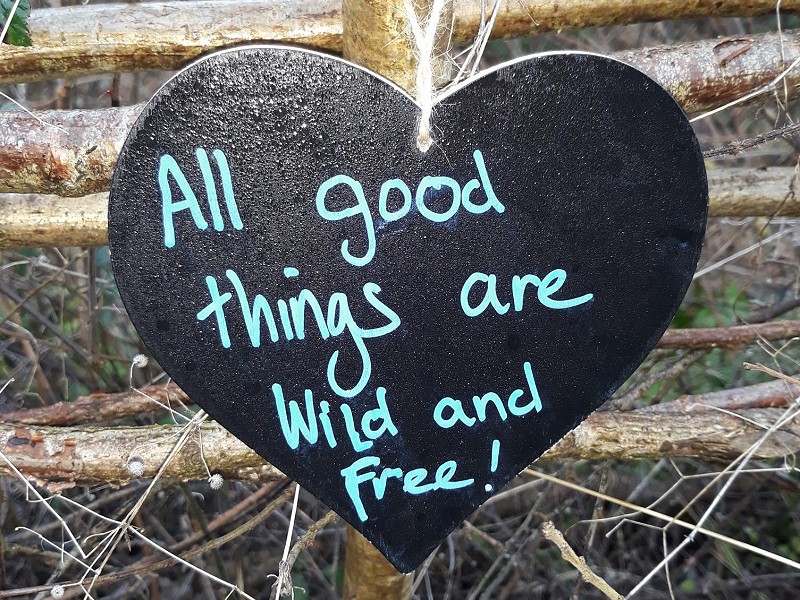
What are the chalkboards at Woods Mill?
We’re delighted that Woods Mill was chosen as one of Horsham District Council’s Year of culture “Hidden Gems”. To celebrate, we’ve put up a number of nature-related quotations around Woods Mill. Do come and have a hunt for them #HDYOC19
-

14 November 2018
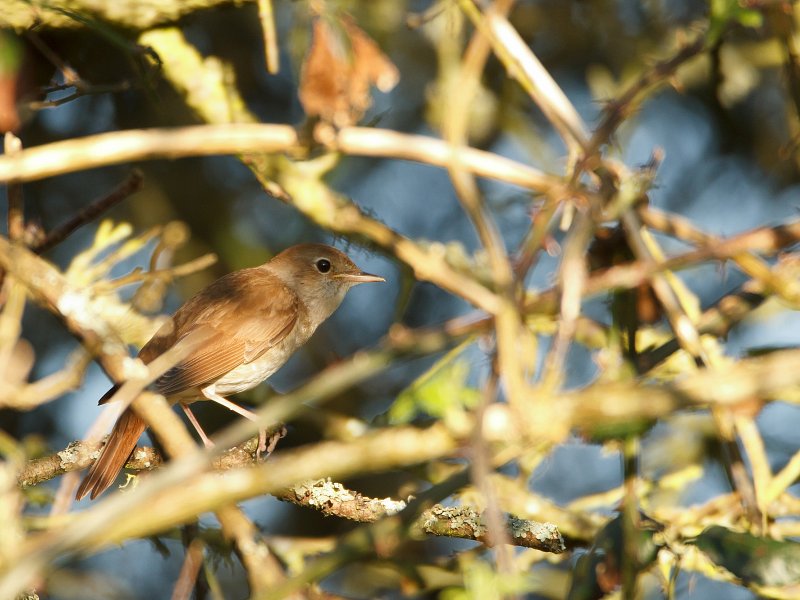
Cetti's Warbler
Cetti’s Warbler can be a frustratingly difficult bird to see - always on the move and often close to the ground. The thinning vegetation makes now a great time to try and spot one at Woods Mill.
-
05 October 2018
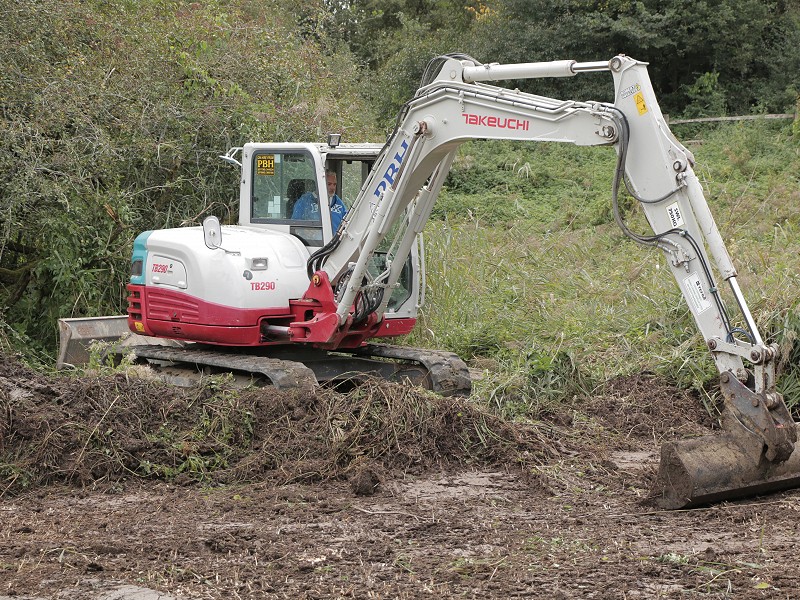
Habitat Restoration Project at Woods Mill
Phase Two of the Habitat Restoration Project Begins at Woods Mill
-
30 August 2018
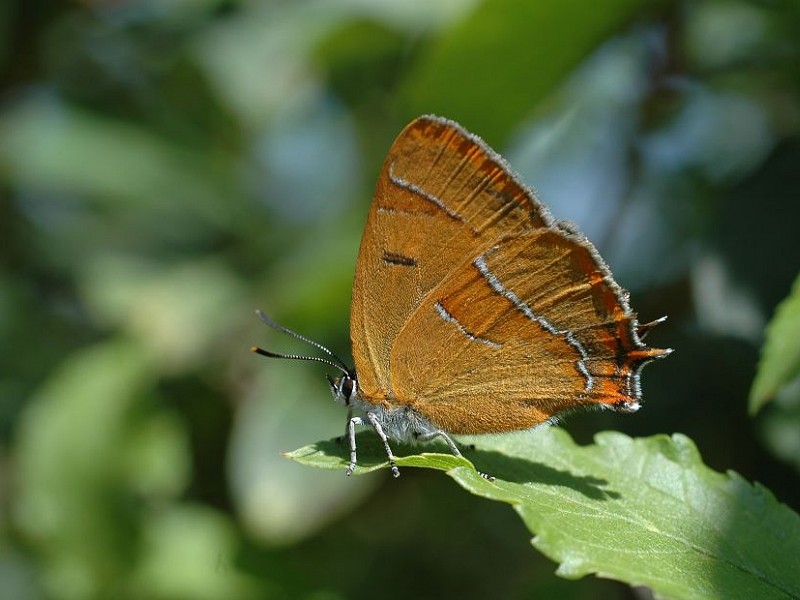
Brown Hairstreak
The Brown Hairstreak is the largest of the UK’s five native Hairstreak species. Now is a great time to spot this most elusive of Butterflies at Woods Mill.
-
13 August 2018
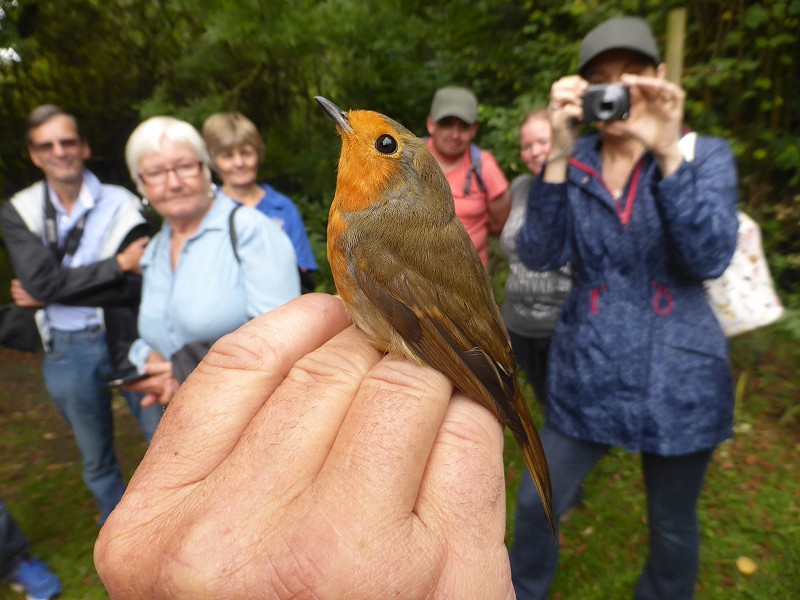
Woods Mill 50 Migration Event: Just passin' through
We held a great event on Sunday as part of the Woods Mill 50th anniversary celebrations funded by ScottishPower Foundation. The theme was bird migration.
-

02 August 2018
Barn Owl breeding success
It’s been six years in waiting, but Woods Mill once again rejoices in the successful breeding of a pair of barn owls.
-
30 July 2018
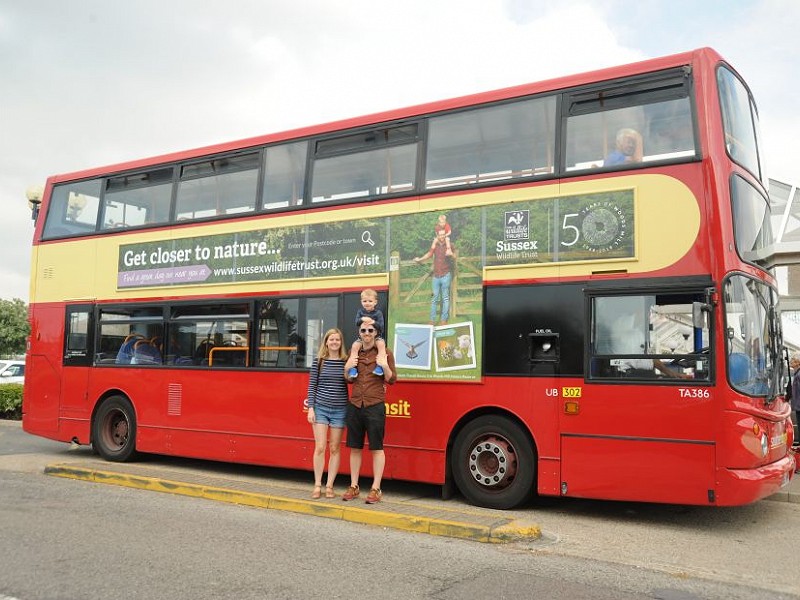
All Aboard!
Thanks to Southern Transit, special branded buses are in service encouraging people to ‘get closer to nature’.
-

23 July 2018
App explorers
A number of routes around Sussex Wildlife Trust nature reserves are now available on the ViewRanger app
-
02 July 2018
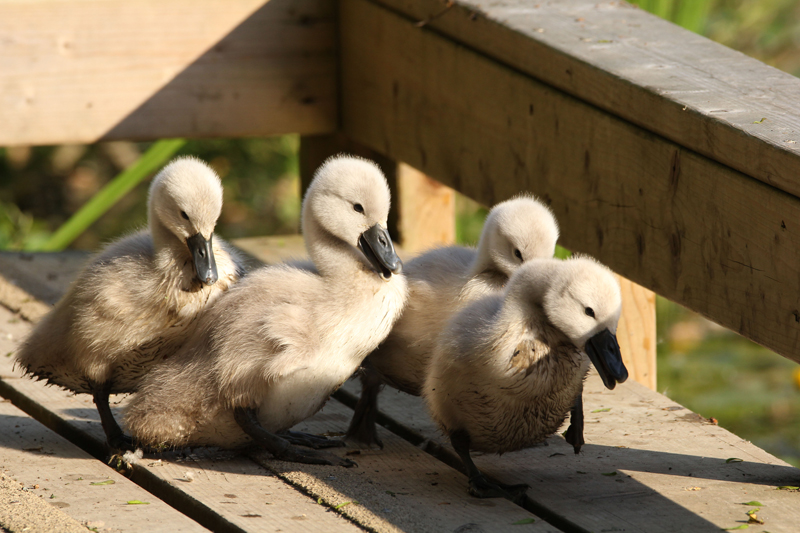
The birds of Woods Mill
Even allowing for rapidly soaring temperatures throughout the month, Woods Mill has been a hive of avian activity.
-
28 June 2018
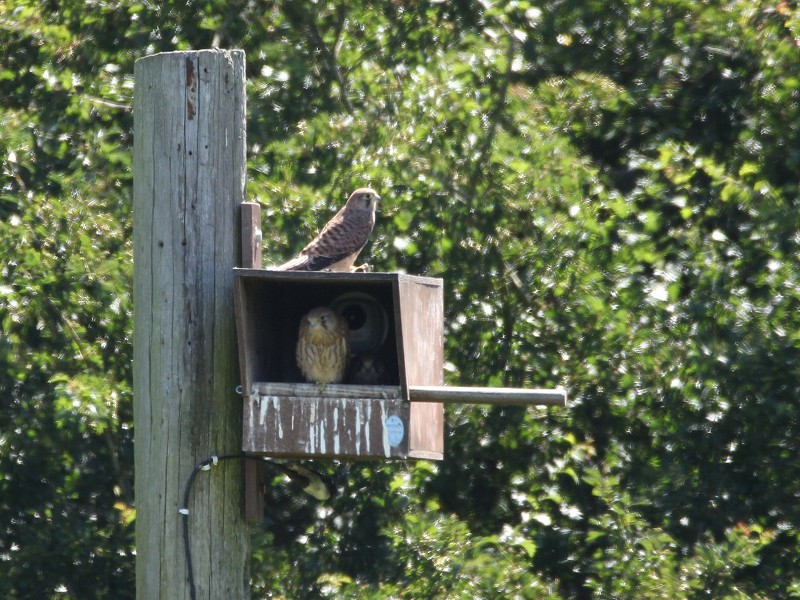
Woods Mill kestrels have fledged
We’re delighted to announce the fledging of the Woods Mill kestrel chicks
-
08 June 2018
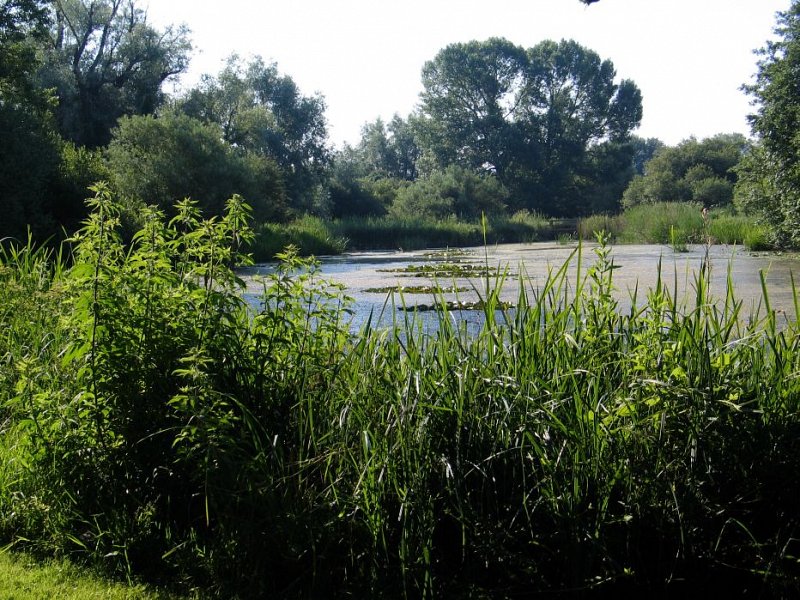
Woods Mill nature reserve celebrates 50 golden years
Sussex Wildlife Trust opened its nature reserve at Woods Mill to the public 50 years ago on the 8 June 1968
-
04 June 2018
50 Years of Woods Mill
Celebrating 50 Years of Woods Mill: Taking conservation into the next generation