
Archive
-

19 October 2020
Unblocktober
Sussex Wildlife Trust are supporting Unblocktober – a national campaign and awareness month during October to improve the health of our drains, sewers, watercourses and seas.
-
18 October 2020
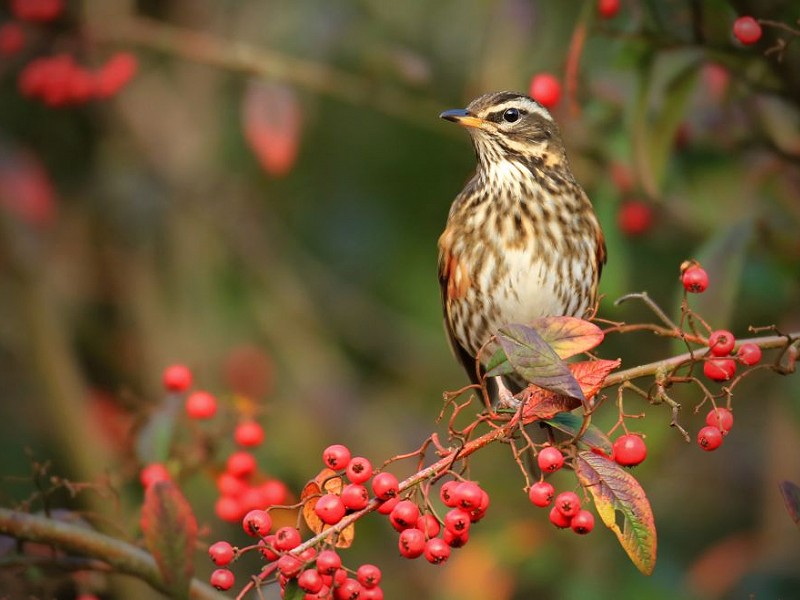
The winter thrushes are on the move
The clocks are changing, the seasons are shifting and the birds are on the move.
-

15 October 2020
£450 million to sever landscapes and principles
Today, Highways England announced its preferred option for the much-debated Arundel A27 consultation. This road leads nowhere that we want to go.
Despite significantly cheaper and less damaging options being presented, the ‘grey route’ will cause irreparable damage to our wildlife and the Arun valley floodplain.
-
13 October 2020
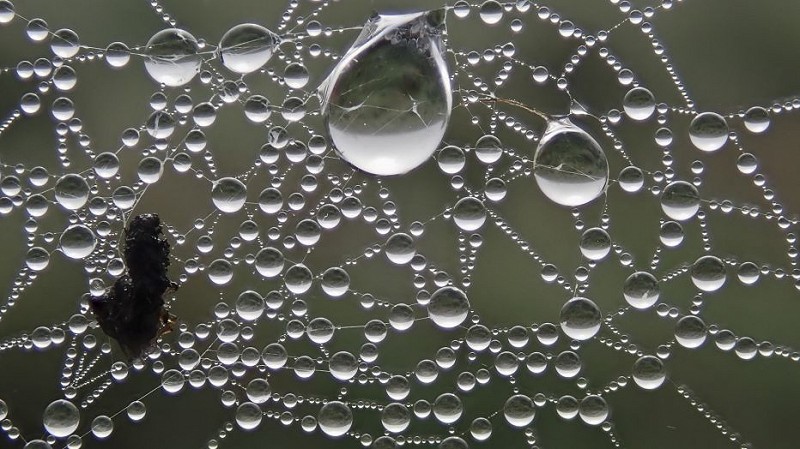
Why don't spiders get stuck in their own webs?
Why don’t spider get stuck in their own webs? Charlotte Owen explains.
-
12 October 2020
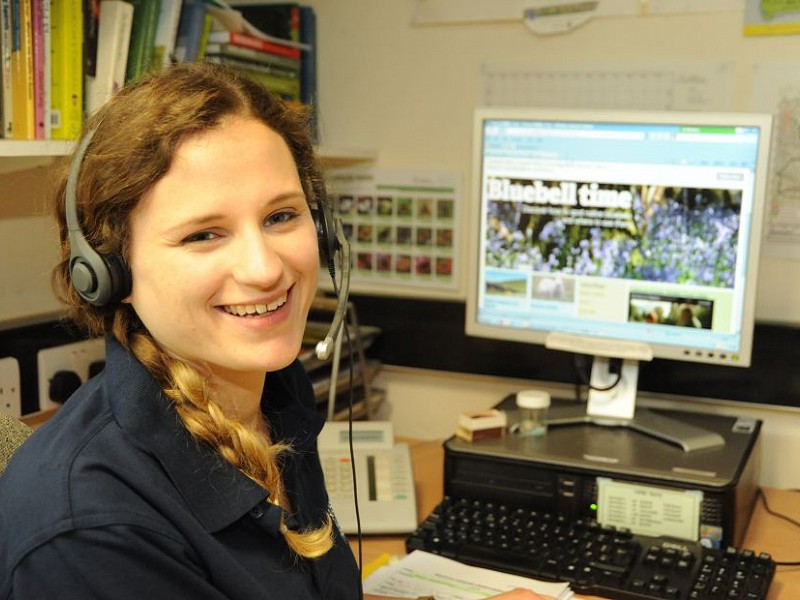
My work for Sussex Wildlife Trust
We speak to Jess Price about her work at Sussex Wildlife Trust
-

10 October 2020
Attack of the Eight-legged Ladies
This month ends with Halloween. Outside, the undead patrol the streets. My advice is to lock your doors, close your curtains and turn off the lights. But what if the very thing that you’re most terrified of is locked in the house with you?
-

09 October 2020
Living with spiders
Every autumn, headlines warn about spiders invading our homes. But what’s the real story with our eight-legged neighbours?
-
08 October 2020
Response to Horsham District Council's press release on Rookwood golf course
Sussex Wildlife Trust’s response to Horsham District Council’s press release about Rookwood golf course.
-
08 October 2020
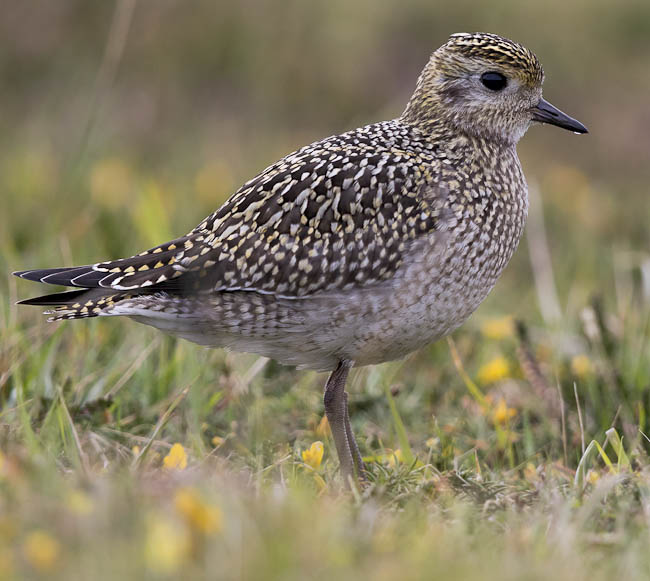
Winter Wetland Birds at Rye Harbour Nature Reserve
The first of the really cold weather will soon hit Europe and many waterbirds will find our warm Sussex coastal wetlands to their liking.
-
07 October 2020
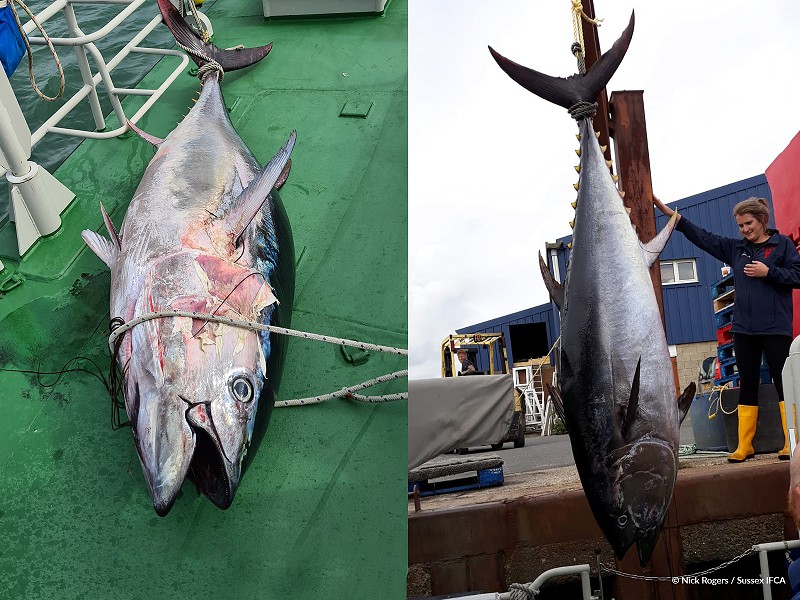
Bluefin Tuna
Officers at the Sussex IFCA were surprised to find an Atlantic Bluefin Tuna (Thunnus thynnus) which had washed up on the shores of Chichester Harbour.
-

07 October 2020
Sparrowhawk
Sparrowhawks are ambush predators, relying on the element of surprise. They are experts at appearing out of nowhere for a sudden attack, breaking cover with explosive acceleration in an attempt to snatch a surprised snack.
-
05 October 2020
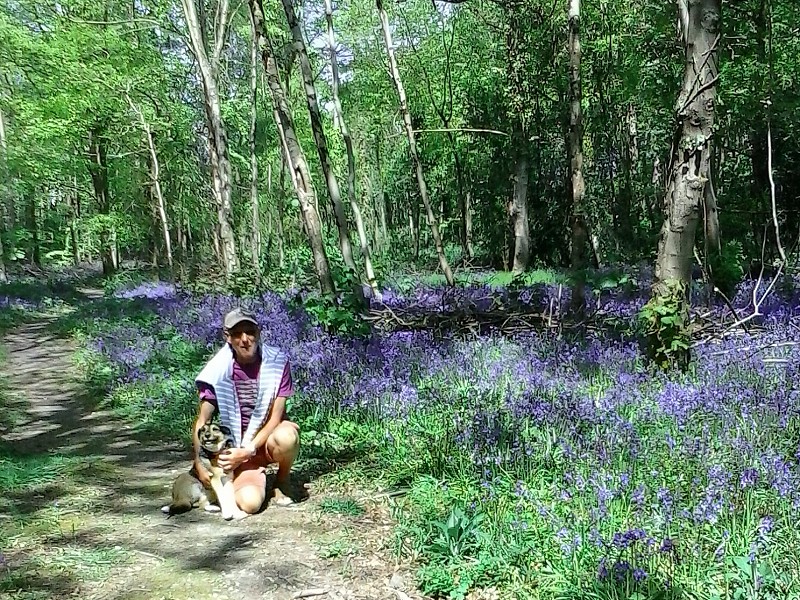
Why I decided to leave a gift in my Will to Sussex Wildlife Trust
“I was a teacher at a junior school until my retirement in 2001, and all my working life I’ve tried to instil a love of nature into the younger generation. That’s why I have chosen to leave a gift in my Will to Sussex Wildlife Trust – they believe in the next generation and are getting youngsters involved in and inspired by wildlife.”